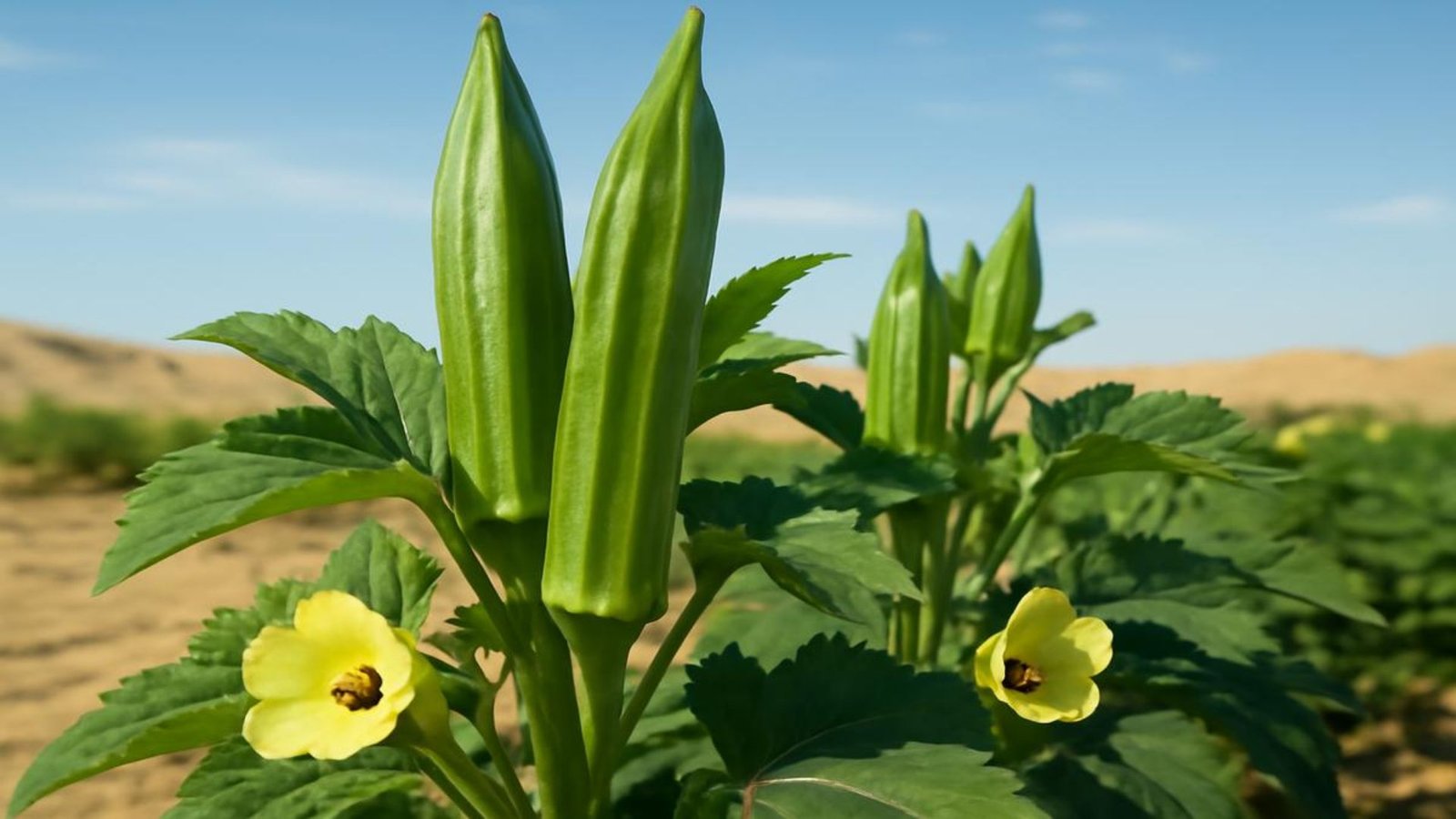
Imagine stepping into your garden on a scorching summer day, expecting wilted plants, only to find towering okra loaded with huge, tender pods ready for picking. If you’ve struggled with small yields or heat-stressed okra before, you’re not alone. But there’s a proven method that’s changing everything for home gardeners—combining smart variety selection, deep soil prep, and strategic care to grow okra with massive pods and unbeatable heat tolerance. In this guide, you’ll discover exactly how to do it, step by step, for your biggest harvest yet.
What Is This Proven Method for Growing Okra?
This approach focuses on leveraging okra’s natural love for heat while giving it the support it needs for oversized pods. Key elements include choosing heat-tolerant varieties, building deep, rich soil, providing consistent moisture without overwatering, pruning for better branching, and harvesting frequently. Gardeners using this method report pods up to 7-8 inches long that stay tender, even in extreme summer heat.
History and Background of Okra
Okra (Abelmoschus esculentus) originated in Africa and has been cultivated for thousands of years. It traveled to the Americas via the slave trade and became a Southern staple in dishes like gumbo. Known for its hibiscus-like flowers and mucilaginous pods, okra thrives in tropical climates but has been bred over time for better heat tolerance and larger yields.
Why Heat-Tolerant Okra Matters Today
With rising summer temperatures, many vegetables struggle, but okra shines. Growing heat-tolerant okra ensures reliable harvests when other crops falter. It’s drought-resistant once established, nutritious (high in fiber and vitamins), and perfect for hobbyist gardeners wanting low-maintenance, high-reward plants.
How to Grow Massive, Heat-Tolerant Okra Pods
Start with full sun and well-draining soil enriched with compost. Plant seeds or seedlings after soil warms to 70°F. Space plants 18-24 inches apart.
Water deeply but infrequently to encourage deep roots. Mulch heavily to retain moisture and cool soil. Prune tops when plants reach 5-6 feet for more side branches and pods.
Harvest pods every 1-2 days at 3-6 inches for tenderness—frequent picking boosts production.
Top Heat-Tolerant Okra Varieties Comparison
| Variety | Pod Length | Maturity (Days) | Key Features | Best For |
|---|---|---|---|---|
| Clemson Spineless | 6-9 inches | 55-60 | Spineless, high yield | Beginners, general use |
| Emerald | Up to 8 inches | 55 | Tender when large, round pods | Canning, big pods |
| Red Burgundy | 6-8 inches | 49-60 | Red pods, ornamental | Hot/humid climates |
| Cow’s Horn | 8-14 inches | 90 | Stays tender longer | Long seasons, massive pods |
| Jambalaya | 5-7 inches | 50 | Compact, fast | Containers, quick harvest |
Notable Facts and Varieties
Okra plants can reach 6-10 feet tall! Some varieties like Emerald stay tender even at larger sizes. In peak heat, pods can grow visibly in 24 hours, so daily checks are key.
Pros and Cons of Growing Okra
| Pros | Cons |
|---|---|
| Thrives in extreme heat | Spines can irritate skin |
| Drought-tolerant once established | Needs warm soil to start |
| Continuous harvest all summer | Pods toughen if left too long |
| Nutritious and versatile in cooking | Tall plants need space |
Expert Tips for Success
- Soak seeds overnight for better germination.
- Use dark containers for extra heat absorption if pot-growing.
- Side-dress with compost mid-season for nutrient boost.
- In very hot areas, prune aggressively for a second flush of pods.
Frequently Asked Questions
How long until okra produces pods?
About 50-70 days from planting, depending on variety and heat.
Can okra handle drought?
Yes, but consistent moisture yields bigger, tender pods.
Why are my pods tough?
Harvest smaller and more often—over 5-6 inches, they fibrose quickly.
Is okra easy for beginners?
Absolutely! It’s forgiving in heat and low-pest.
Conclusion
Growing okra with massive pods and heat-tolerant growth isn’t just possible—it’s straightforward with this proven method. By picking the right varieties, prepping deep soil, and staying consistent with care, you’ll enjoy bountiful harvests all summer long. Try it this season, share your results with friends, or experiment with new recipes. Your garden (and dinner table) will thank you!