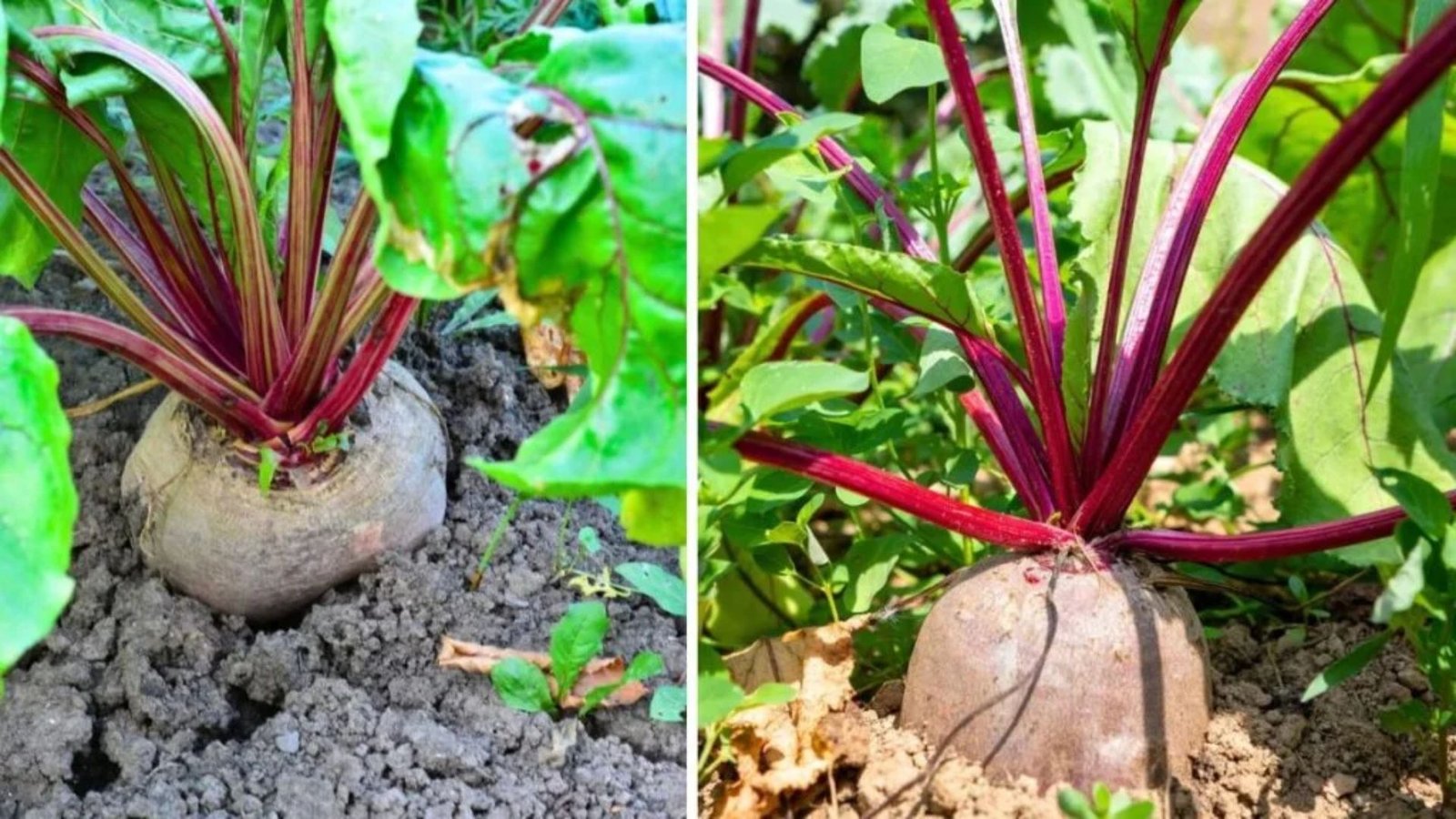
Imagine stepping into your kitchen and snipping fresh, vibrant beet greens for dinner—no matter the season. Growing beet greens indoors year-round is easier than you think, and it’s a game-changer for anyone craving homegrown nutrition. These leafy superfoods pack more vitamins than the roots, and with basic setup, you’ll enjoy endless harvests right from your windowsill.
What Are Beet Greens?
Beet greens are the lush, edible leaves of the beet plant (Beta vulgaris). Often overlooked, they’re tender, earthy-tasting, and more nutrient-dense than the roots. You can harvest them young for salads or mature for cooking, making growing beet greens indoors a rewarding hobby.
A Brief History of Beet Greens
Beets originated from wild sea beets in the Mediterranean. Ancient Egyptians, Greeks, and Romans grew them primarily for the greens, using leaves medicinally and in meals. Root cultivation came later, around the 16th century in Europe. Today, growing beet greens indoors revives this ancient leafy tradition.
Why Grow Beet Greens Indoors Today?
In our busy world, indoor gardening offers fresh, pesticide-free produce year-round. Beet greens are packed with health benefits, and growing them saves money while reducing grocery trips. Plus, it’s sustainable—perfect for urban dwellers or winter blues fighters.
Here’s a quick comparison of benefits:
| Benefit | Outdoor Growing | Indoor Year-Round Growing |
|---|---|---|
| Season Availability | Spring/Fall only | Anytime |
| Pest Control | Higher risk | Minimal |
| Freshness | Good | Peak, harvested on demand |
| Space Needed | Garden plot | Windowsill or small setup |
Simple Techniques to Grow Beet Greens Indoors Year-Round
Start with seeds in pots or try regrowing from store-bought beet tops—place roots in water until greens sprout, then plant.
Key steps:
- Use well-draining potting soil or hydroponic setup.
- Provide 6-8 hours of bright light (south-facing window or grow lights).
- Keep soil moist but not soggy; temperatures 60-70°F.
- Harvest outer leaves to encourage regrowth.
Soil vs. Hydroponics:
| Method | Pros | Cons | Best For |
|---|---|---|---|
| Soil | Simple, inexpensive | Slower growth, messier | Beginners |
| Hydroponics | Faster, cleaner, higher yields | Higher setup cost | Year-round maximizers |
Best Beet Varieties for Indoor Greens
Choose leafy-focused varieties like ‘Early Wonder’ (tender greens), ‘Bull’s Blood’ (vibrant red leaves), or ‘Detroit Dark Red’. Golden types add variety without the red stain.
Notable Nutrition Facts
Beet greens outshine many veggies—one cup raw provides over 200% daily vitamin A and K, plus iron and antioxidants.
| Nutrient (per cup raw) | Amount | % Daily Value |
|---|---|---|
| Vitamin A | 6,326 IU | 244% |
| Vitamin K | High | Boosts bones |
| Iron | 2.57 mg | 32% |
| Calories | 22 | Low |
Expert Tips for Success
- Thin seedlings for better airflow.
- Fertilize lightly with balanced nutrient.
- Watch for pests; neem oil works indoors.
- Succession plant every 2-3 weeks for continuous supply.
Frequently Asked Questions
Can I grow beet greens indoors without grow lights?
Yes, on a sunny windowsill, but lights help in low-light seasons.
How long until first harvest?
3-4 weeks for baby greens; ongoing with cut-and-come-again method.
Are beet greens better than spinach?
They have more iron and antioxidants—try both!
Conclusion
Growing beet greens indoors year-round is a simple, joyful way to boost your health and connect with nature. With these techniques, you’ll have fresh greens anytime, saving money and savoring superior flavor. Start small today—grab some seeds or beet tops and watch them thrive. Share your harvests with friends, and dive deeper into indoor gardening. Happy growing!