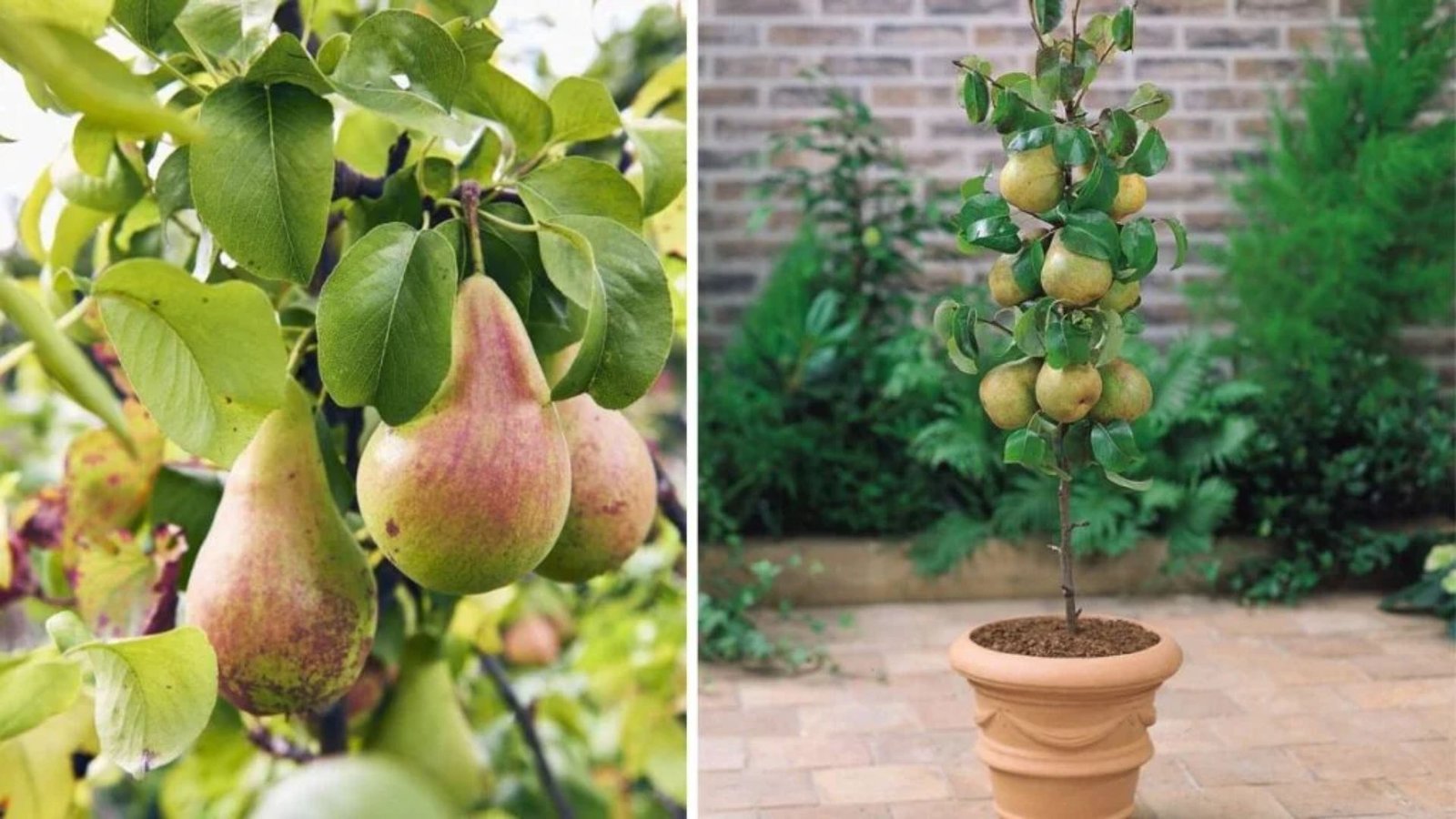
Imagine biting into a juicy, homegrown pear that you nurtured right in your living room. Growing pear trees indoors might sound ambitious, but with dwarf varieties and the right care, it’s totally doable—even for beginners. This guide will walk you through everything you need to know to harvest your own pears without a backyard orchard.
Introduction to Growing Pear Trees Indoors
Growing pear trees indoors is all about using compact dwarf varieties in pots. These smaller trees stay manageable (often 6-10 feet tall) and can produce real fruit with proper light and care. It’s perfect for apartments or homes with limited space.
A Brief History of Pear Trees
Pears have been cultivated for thousands of years, dating back to prehistoric times in Europe and as early as 2000 BC in China. Dwarfing techniques emerged in the 20th century, making container growing possible. Today, indoor fruit trees like dwarf pears bring this ancient fruit into modern homes.
Why Grow Pear Trees Indoors Today?
Indoor gardening is booming—with millions enjoying houseplants and homegrown food. Growing pear trees indoors provides fresh, organic fruit, beautiful blossoms, and cleaner air. It’s rewarding for hobbyists and adds a unique touch to your space.
How to Successfully Grow Pear Trees Indoors
Start with a dwarf variety like Bartlett, Moonglow, or Seckel—these are ideal for pots.
Choosing the Right Variety and Pot
| Variety | Mature Height (Indoors) | Self-Pollinating? | Fruit Notes |
|---|---|---|---|
| Dwarf Bartlett | 8-10 feet | No | Juicy, classic sweet pears |
| Moonglow | 8-12 feet | Partial | Disease-resistant, crisp |
| Seckel | 6-8 feet | Yes | Small, super sweet “sugar pears” |
Use a large pot (at least 20-30 gallons) with drainage holes and well-draining soil.
Light, Water, and Care
Place near a south-facing window for 6-8 hours of sun daily—supplement with grow lights if needed. Water when the top inch of soil is dry, and fertilize sparingly in spring.
For pollination, most need a partner variety or hand-pollination with a brush.
Prune annually to maintain shape and encourage fruiting.
Expect fruit in 3-5 years.
Common Challenges and Solutions
| Challenge | Solution |
|---|---|
| Insufficient light | Use full-spectrum grow lights |
| Poor pollination | Hand-pollinate or grow two trees |
| Pests (e.g., aphids) | Neem oil or insecticidal soap |
| Root bound | Repot every 2-3 years |
Notable Facts About Indoor Pear Trees
Dwarf pear trees can produce up to a bushel of fruit indoors. Indoor fruit gardening has surged, with food growing up significantly in recent years.
Expert Tips for Thriving Indoor Pear Trees
- Provide chill hours by moving pots to a cool spot (40-50°F) in winter.
- Thin fruits for better size and quality.
- Watch for fire blight—prune affected branches immediately.
Frequently Asked Questions
Can pear trees really fruit indoors?
Yes, with dwarf varieties, bright light, and proper pollination.
How long until fruit?
Typically 3-10 years, faster with grafted dwarfs.
Do I need two trees?
Most yes, for cross-pollination—choose compatible varieties.
What if I lack sun?
Grow lights are essential for success.
Conclusion
Growing pear trees indoors is a fun, achievable way to enjoy fresh pears at home. With patience and these tips, you’ll soon have a thriving tree. Start small, experiment, and share your progress with fellow gardeners. Happy growing!