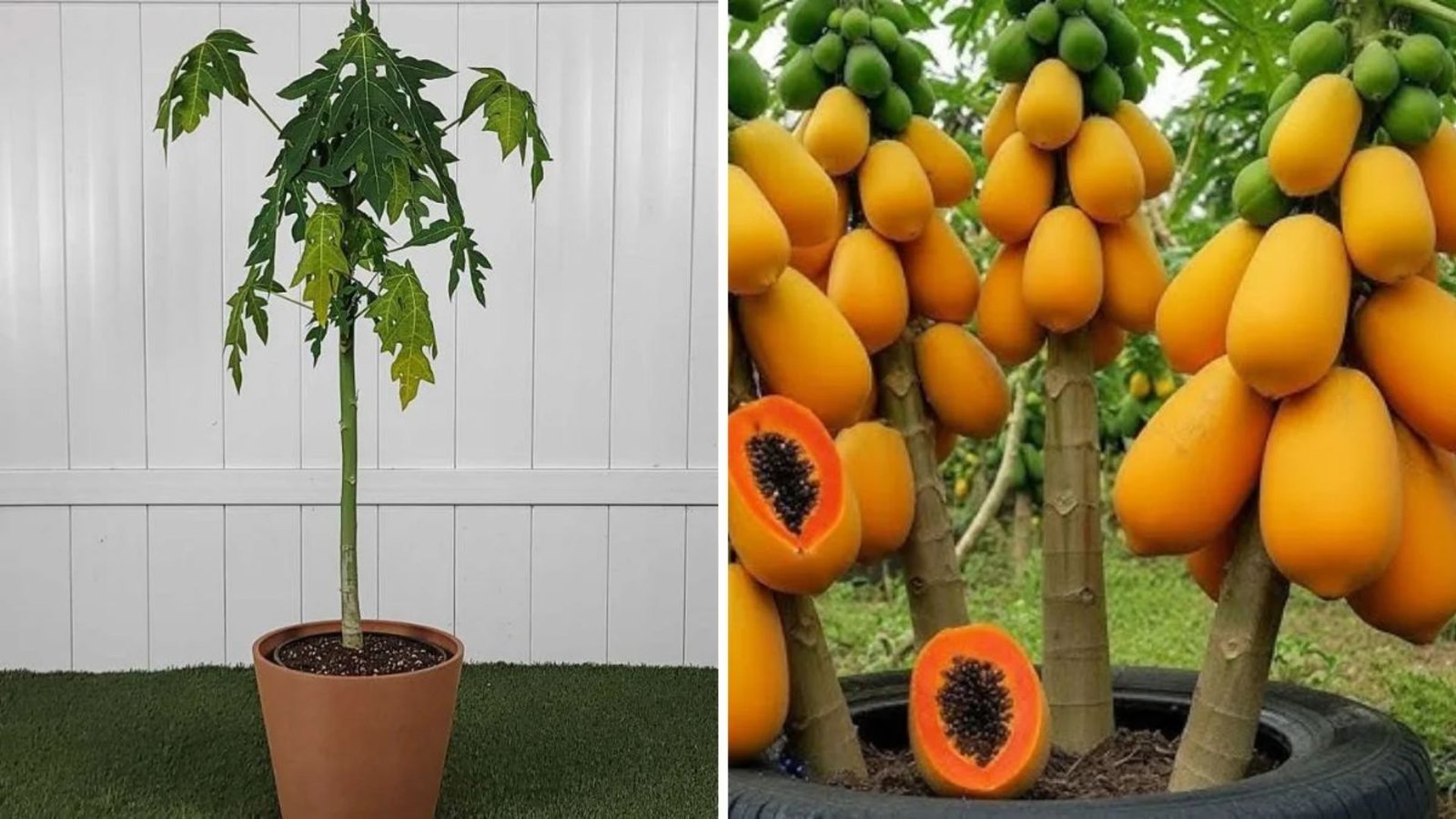
Imagine plucking juicy, sun-ripened papaya right from your backyard—sweet, vibrant, and bursting with tropical flavor. If you’ve ever dreamed of growing papaya but thought it was too tricky, think again. Papaya tree propagation is surprisingly simple, even for beginners. In this guide, you’ll discover easy steps to start your own papaya grove, speed up growth, and enjoy homegrown harvests that boost your health and garden joy. Stick around; we’ll cover everything from ancient origins to pro tips that’ll have you succeeding in months, not years.
What is Papaya Tree Propagation?
Papaya tree propagation means creating new plants from seeds or cuttings. It’s the gateway to growing papaya effortlessly in your garden. These fast-growing trees thrive in warm spots, turning tiny starts into fruit producers in under a year. Perfect for hobbyists, it lets you multiply favorites without buying more.
Basics of Papaya Trees
Papaya (Carica papaya) is a short-lived herb, not a true tree, reaching 10-30 feet tall. Its large, lobed leaves and melon-like fruits make it a standout. Male, female, or hermaphrodite plants determine pollination—grow a mix for best yields.
The History and Origin of Papaya Cultivation
Papaya hails from Central America, likely southern Mexico and Costa Rica, where ancient Mesoamericans domesticated it over 2,000 years ago. Wild varieties still grow there. Spanish explorers spread it to the Philippines in the 1500s, then Asia and beyond. By the 19th century, it reached Europe and Africa. Today, India leads production at 38% of the global 6 million tons annually.
Why Propagate Papaya Trees Today?
In our busy world, growing papaya at home saves money and slashes food miles. These nutrient powerhouses pack vitamin C, antioxidants, and digestive enzymes—eating one daily aids immunity and skin health. Plus, trees improve soil and attract pollinators. Stats show home gardeners harvest 100-200 pounds per mature plant yearly, making it a smart, sustainable hobby.
Step-by-Step Guide to Growing Papaya from Seeds or Cuttings
Ready to dive in? Start with fresh seeds from a ripe fruit or healthy cuttings.
- Gather Materials: Scoop seeds, rinse off gel, dry for 2 days. For cuttings, take 6-inch stem sections from vigorous trees.
- Prep and Plant: Sow seeds ½ inch deep in well-draining soil; keep at 70-85°F. Root cuttings in water or moist sand.
- Care Basics: Water regularly, ensure full sun, and fertilize monthly. Thin seedlings to strongest plants.
- Transplant: Move outdoors after 8-10 weeks, spacing 8 feet apart.
| Propagation Method | Pros | Cons | Time to Fruit |
|---|---|---|---|
| Seeds | Cheap, genetic variety | Slower start, sex unknown | 8-12 months |
| Cuttings | Faster rooting, true-to-type | Needs mature tree | 6-9 months |
Notable Facts and Statistics About Papaya Trees
Papaya’s speed wows: It grows 3-4 feet monthly in ideal conditions. A single tree yields 30-50 fruits per season.
| Fun Fact | Stat/Detail |
|---|---|
| Height Potential | Up to 33 feet in tropics |
| Global Production | 6 million tons/year (India tops) |
| Nutrient Boost | 100g fruit: 60% daily vitamin C |
| Growth Record | Fruits in 6 months from seed |
Expert Tips for Faster Papaya Growth
Boost success with these gems: Use black pots to trap heat for quicker rooting. Add compost for nutrient-rich soil—papayas hate wet feet. Plant in groups for cross-pollination. Prune dead leaves to focus energy on fruits. For turbo growth, maintain 75-95°F and mulch heavily.
Frequently Asked Questions (FAQs)
How long until my papaya tree fruits?
Most start in 8-12 months with good care.
Can I grow papaya in pots?
Yes! Choose large containers with drainage for patios.
What if my plant doesn’t fruit?
Check for all-male plants; add females or hermaphrodites.
Is papaya propagation hard for beginners?
Not at all—seeds germinate in 2 weeks with warmth.
Do papayas need full sun?
Absolutely, 6+ hours daily for best growth.
Wrapping Up: Your Tropical Garden Awaits
Papaya tree propagation isn’t just gardening—it’s a ticket to fresh, healthful rewards that grow lightning-fast. From ancient Central American roots to your backyard bounty, mastering these steps means endless harvests and eco-wins. Grab some seeds today, follow our beginner guide, and watch magic unfold. Share your first fruit pic in the comments—what’s your next garden adventure? Dive into our citrus propagation post next!