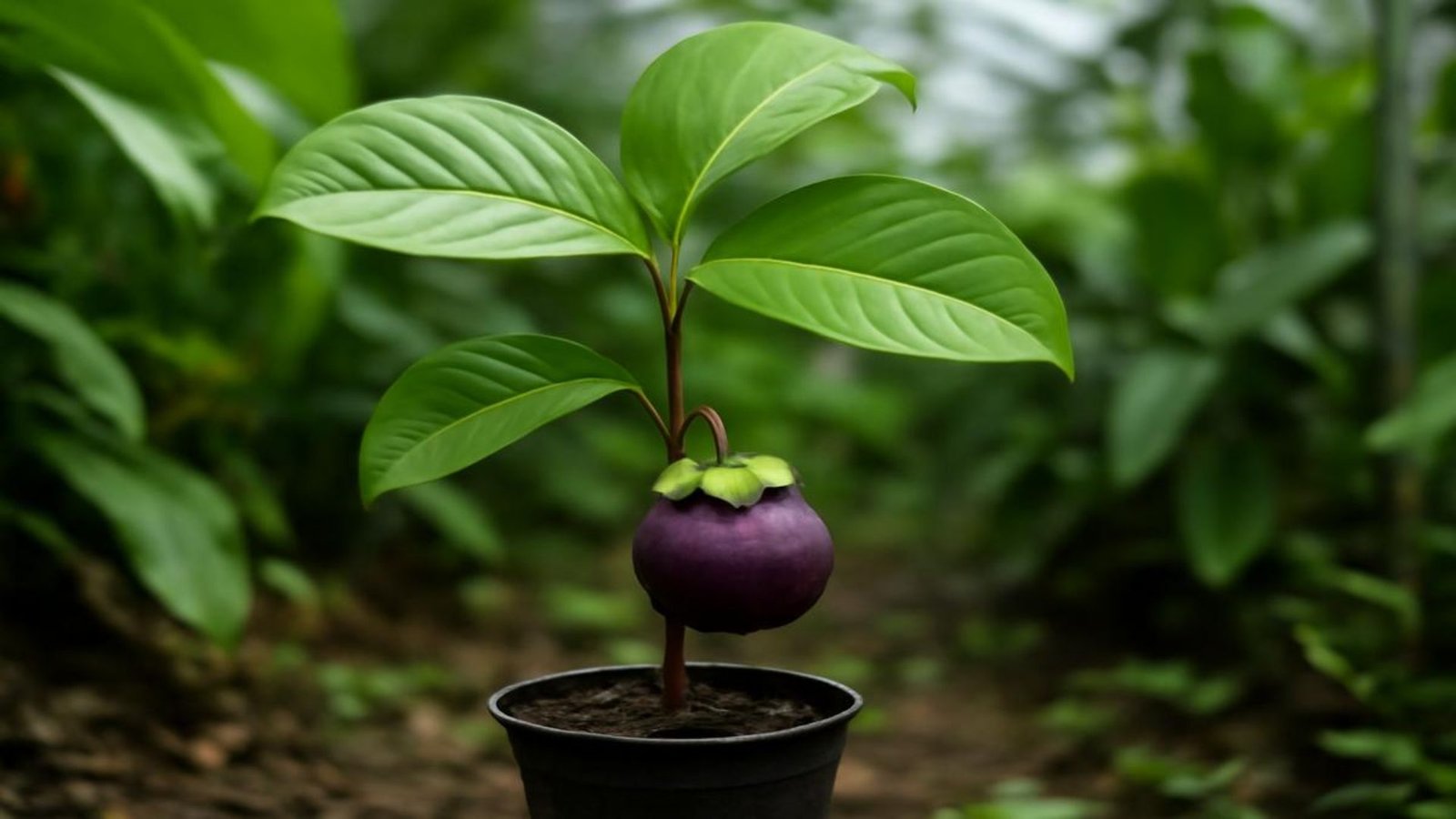
Imagine biting into a fruit so deliciously sweet and tangy that it’s called the Queen of Fruits. That’s mangosteen – the purple-skinned tropical gem with juicy white flesh inside. If you’re a gardening enthusiast dreaming of growing your own mangosteen tree, this guide is for you. We’ll walk through everything from starting mangosteen seedlings to enjoying your first harvest. It’s a rewarding journey that requires patience, but the payoff is worth it!
What Is Mangosteen? An Introduction to the Queen of Fruits
Mangosteen (Garcinia mangostana) is a tropical evergreen tree native to Southeast Asia. Its fruit features a thick purple rind protecting snowy-white, segmented flesh that’s sweet, tangy, and incredibly juicy. Often hailed as the “Queen of Fruits,” it’s prized for its unique flavor – a mix of peach, strawberry, and pineapple notes.
History and Origin of Mangosteen
Mangosteen originates from the Malay Peninsula, Borneo, and Indonesia’s Sunda Islands. It’s been cultivated in tropical Asia for centuries, appearing in ancient records from the 1400s. European explorers spread it to places like Jamaica and Puerto Rico in the 1800s. A fun legend claims Queen Victoria offered a reward for fresh mangosteen – earning its royal nickname!
Why Mangosteen Is So Valuable Today
Today, mangosteen remains a sought-after superfruit packed with antioxidants like xanthones, vitamin C, and fiber. It supports immune health, reduces inflammation, aids digestion, and may help regulate blood sugar. Its rarity outside tropics makes home-grown mangosteen extra special for hobby gardeners.
How to Grow Mangosteen Seedlings Step by Step
Growing mangosteen from seed is straightforward but demands tropical conditions. Here’s how:
- Get Fresh Seeds: Use seeds from ripe fruit – they’re viable only days after opening. Soak 24 hours optional.
- Plant Immediately: Bury 1 inch deep in rich, well-draining acidic soil (pH 5.5-6.5) with organic matter.
- Germination: Keep warm (77-95°F), humid (>80%), and shaded. Sprouts appear in 2-4 weeks.
- Seedling Care: Provide filtered light, consistent moisture (no soggy soil), and protection from wind/cold.
- Transplant Carefully: Wait until 1-2 feet tall; avoid damaging the long taproot. Space 35-40 feet apart outdoors.
- Ongoing Care: Full shade young, partial later. Fertilize balanced every few months.
Patience is key – trees fruit in 6-12 years!
| Stage | Time Frame | Key Requirements |
|---|---|---|
| Germination | 2-4 weeks | Warmth, humidity, fresh seeds |
| Seedling Growth | 2 years to 12 inches | Shade, moist soil |
| Fruiting | 6-12 years | Consistent tropics, no cold |
Notable Facts and Challenges
Mangosteen trees grow 20-80 feet tall and yield 200-2000 fruits per season once mature. Challenges include slow growth, sensitivity to cold (dies below 40°F), and transplant difficulty.
| Pros of Growing Mangosteen | Cons/Challenges |
|---|---|
| Exquisite flavor & health benefits | Long wait for fruit (6-12+ years) |
| Evergreen beauty in garden | Needs strict tropical climate |
| Low pests/diseases | Hard to transplant |
Expert Tips for Success
- Mimic rainforest: Use greenhouse if not tropical.
- Mulch heavily for moisture retention.
- Avoid over-fertilizing young plants.
- Grafted trees fruit faster – seek them if possible.
- High humidity is crucial for seedlings.
Frequently Asked Questions
Can I grow mangosteen indoors?
Yes, in pots with bright light and humidity dome, but fruiting is unlikely without tropics.
How long until harvest?
6-12 years from seed; grafted may be sooner.
Is mangosteen hard to grow?
Challenging outside tropics due to temperature and humidity needs.
Are seeds true to parent?
Yes – mangosteen reproduces asexually, so clones.
Conclusion: Start Your Mangosteen Adventure Today!
Growing mangosteen seedlings connects you to a tropical treasure that’s as beautiful as it is delicious. With patience and the right care, you’ll harvest the Queen of Fruits from your own tree. It’s a legacy project for passionate gardeners. Try it – share your progress or ask questions below. Happy gardening!