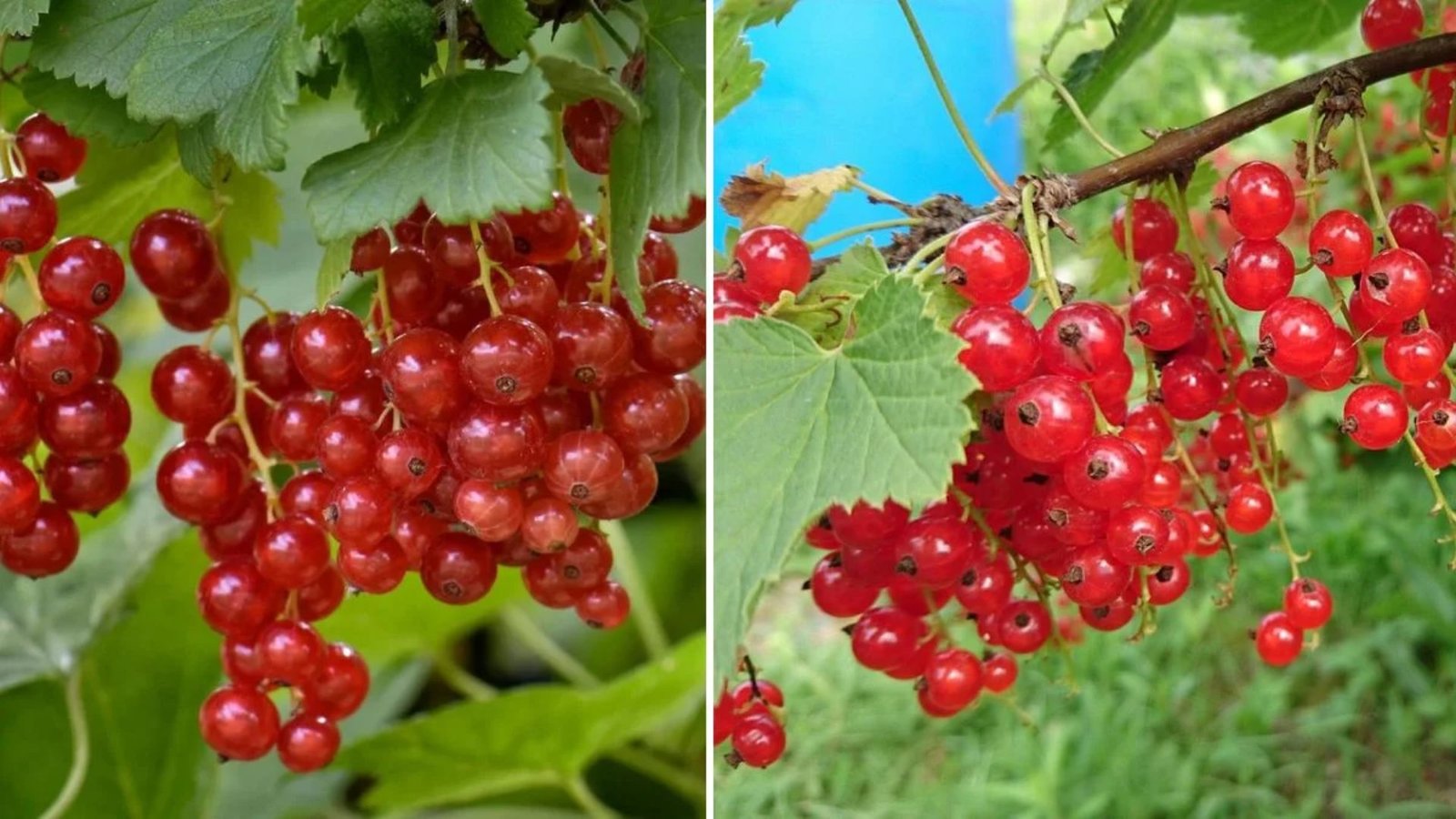
Imagine plucking fistfuls of ruby-red gems from your backyard bush—tart, vibrant, and perfect for pies or smoothies. If you’re a newbie gardener dreaming of your first big yield, red currants might seem tricky. But what if one simple trick could triple your harvest without fancy tools? In this post, we’ll uncover that game-changer, plus tips to make growing red currants a breeze. Stick around—you’ll harvest confidence and berries by summer’s end.
What Are Red Currants? A Quick Intro
Red currants are small, tangy berries from the Ribes rubrum shrub. Native to Europe, these bushes thrive in cool climates and produce clusters of bright red jewels in early summer. For beginners, they’re forgiving—low-maintenance and pest-resistant. Growing red currants adds zing to your garden, whether fresh off the bush or in jams.
Think of them as nature’s candy: packed with vitamin C, they’re a hobbyist’s delight. No green thumb required to start.
The Juicy History of Red Currants
Red currants trace back to ancient Europe, where Romans cultivated them for medicine around 2,000 years ago. By the Middle Ages, monks brewed them into cordials for health tonics. In the 1700s, they hit American gardens via settlers, becoming a staple in colonial desserts.
Fun twist: During World War II, British folks ramped up home growing for vitamin boosts. Today, that resilient spirit lives on in backyards worldwide.
Why Grow Red Currants Today?
In our fast-paced world, home gardening fights food miles and boosts wellness. Red currants pack more antioxidants than blueberries, per USDA stats—ideal for immunity. They’re space-savers too: one bush yields up to 10 pounds annually.
For hobbyists, the joy of picking your own trumps store-bought. Plus, with climate shifts favoring hardy plants, red currants are eco-smart choices.
| Berry Type | Vitamin C (per 100g) | Yield per Bush (lbs) | Ease for Beginners |
|---|---|---|---|
| Red Currants | 41mg | 5-10 | High |
| Blueberries | 9.7mg | 3-8 | Medium |
| Strawberries | 58mg | 1-2 | High |
The Easy Hack: Step-by-Step for Beginners
Ready for the hack? It’s mulching with pine needles to lock in moisture and acidify soil—currants love pH 6.0-6.5. Here’s how:
- Pick a Spot: Sunny, well-drained area. Space bushes 4-5 feet apart.
- Plant Smart: Spring or fall; dig holes twice root width. Add compost.
- The Hack in Action: Layer 3 inches of pine needles around base post-planting. Water deeply weekly.
- Prune Lightly: After fruiting, snip old stems for bushier growth.
- Harvest Joy: Pick when fully red; expect peaks in June-July.
This trick cuts watering by 30% and boosts berries. Beginners, you’ll see results fast!
Fascinating Facts and Stats
Did you know? A single red currant bush can live 20+ years, outlasting many perennials. Globally, Europe produces 80% of the world’s 600,000 tons yearly, says FAO data.
| Fun Stat | Detail |
|---|---|
| Record Yield | 12 lbs from one mature bush (UK trials) |
| Pollination Perk | Self-fertile; bees amp output by 20% |
| Culinary Uses | 500+ recipes, from sauces to liqueurs |
Expert Tips to Maximize Your Harvest
Garden pros swear by companion planting: pair with strawberries for pest control. Fertilize sparingly—too much nitrogen means leaves, not fruit. Watch for birds; netting saves 50% of your crop.
Pro insight: Test soil yearly. Mild enthusiasm: Your garden will thank you with ruby rewards!
Frequently Asked Questions
How long until my red currants fruit?
Most bushes bear in year two; full harvest by year three.
Can I grow red currants in pots?
Yes! Use 18-inch containers with acidic soil mix.
What’s the biggest pest threat?
Aphids—blast with water or use ladybugs.
Are red currants invasive?
Nope, they’re well-behaved shrubs.
Conclusion: Time to Plant!
Growing red currants isn’t just about berries—it’s the thrill of nurturing something vibrant from soil to table. With our easy mulching hack, beginners can maximize harvests effortlessly. Grab a bush today, try these tips, and share your first pickings in the comments. What’s your next garden adventure? Explore our berry guides next!