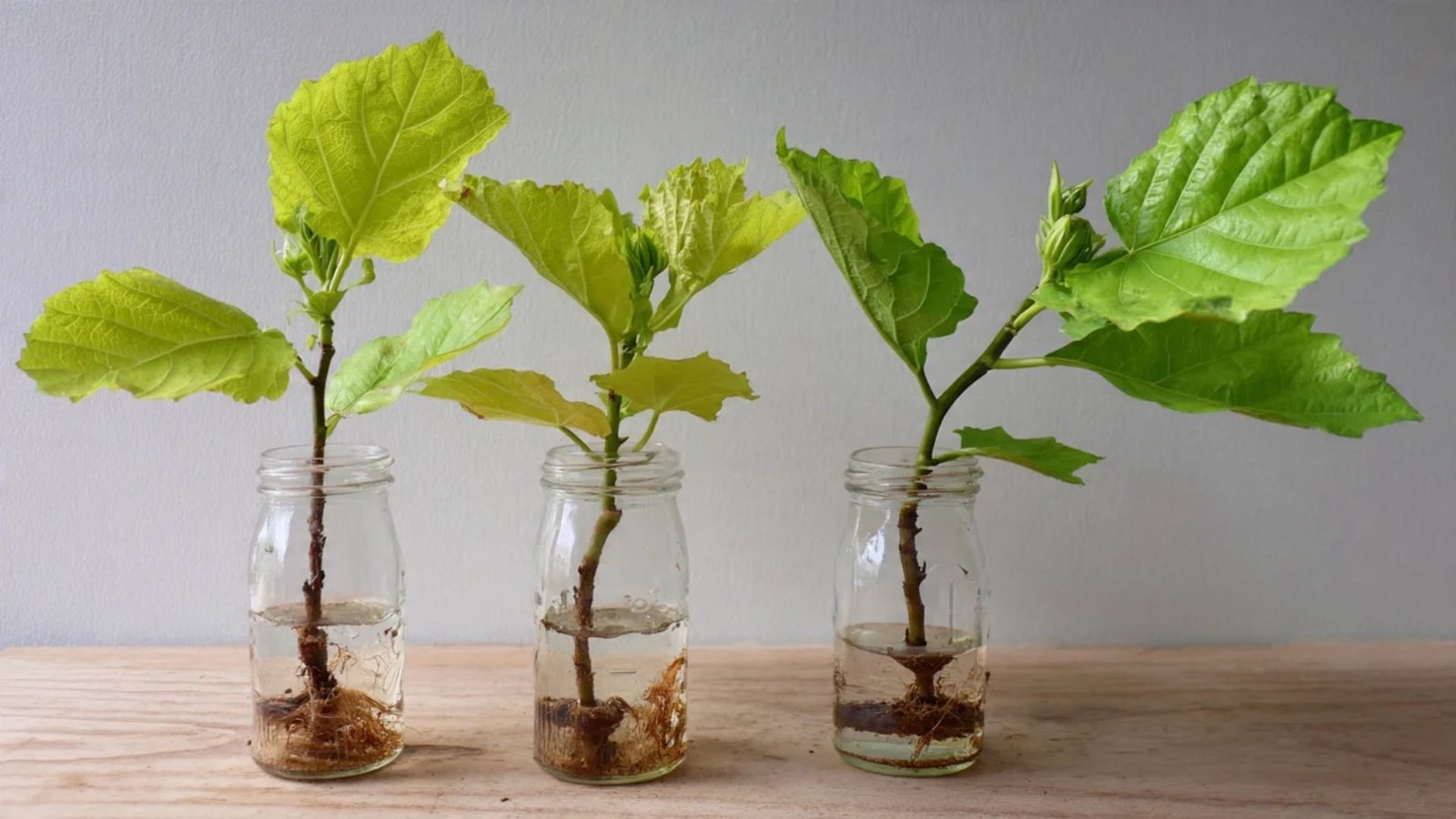
Imagine transforming a single snip from your neighbor’s hibiscus bush into a riot of fiery red flowers in your own backyard. As a gardening hobbyist, who wouldn’t love free, vibrant plants that scream summer all year? Propagating hibiscus from stem cuttings isn’t just easy—it’s a game-changer for budget-friendly gardening. In this guide, you’ll discover simple techniques for fast results, turning you into a propagation pro without the hassle.
What is Hibiscus Propagation from Stem Cuttings?
Hibiscus propagation means creating new plants from existing ones, and stem cuttings are the star method. You simply cut a healthy stem, root it, and watch it sprout. It’s like cloning your favorite flower—perfect for beginners eager to grow hibiscus from stem cuttings at home.
This technique skips seeds for quicker, identical results. No fancy greenhouse needed; just soil, water, and patience.
A Quick History of Hibiscus Cultivation
Hibiscus traces back to ancient Asia and the Pacific Islands, where Polynesians used it for garlands and teas around 3,000 years ago. Europeans fell hard in the 1700s, shipping it to tropical colonies for ornamental gardens.
Today, simple hibiscus cutting techniques echo those early methods, blending old-world charm with modern ease.
Why It’s a Must-Try for Modern Gardeners
In our busy world, growing hibiscus from stem cuttings saves money and space. It’s eco-friendly—reuse prunings instead of buying plants. Plus, with climate shifts, home propagation builds resilient gardens full of pollinator-friendly blooms.
You’ll enjoy therapeutic vibes, fresh flowers for bouquets, and even herbal teas. Fast results? New roots in 4-6 weeks!
Your Step-by-Step Guide to Success
Ready to dive in? Follow these simple techniques for hibiscus propagation.
Materials You’ll Need
Grab basics: sharp pruners, rooting hormone (optional), potting mix, pots, and clear plastic bags.
The Cutting Process
- Select a 4-6 inch stem from a healthy, non-flowering branch in spring or summer.
- Cut just below a node, remove lower leaves.
- Dip in rooting hormone, plant in moist soil.
- Cover with plastic for humidity; keep in indirect light.
Caring for Fast Growth
Water sparingly, mist daily. Roots form in weeks—transplant once sturdy.
| Propagation Method | Pros | Cons | Time to Roots |
|---|---|---|---|
| Stem Cuttings | Fast, identical plants, low cost | Needs humidity control | 4-6 weeks |
| Seeds | Variety of colors | Slow, unpredictable | 8-12 weeks |
| Layering | Natural rooting | Space-intensive | 6-8 weeks |
Fun Facts and Stats on Hibiscus
Did you know? Over 200 hibiscus species exist, but tropical hybrids dominate gardens. The world’s largest hibiscus bloom hit 9 inches wide in Hawaii!
Stats show: Home propagation boosts plant survival by 70% versus store-bought. Fun twist—hibiscus tea markets grew 15% yearly since 2020.
| Hibiscus Highlight | Stat/Record |
|---|---|
| Largest Bloom | 9 inches (Hawaii, 2018) |
| Species Count | 200+ worldwide |
| Pollination Power | Attracts 50+ insect types |
Pro Tips from Seasoned Growers
Use cinnamon as a natural fungicide on cuts. For turbo roots, add willow water (soak branches overnight). Avoid direct sun—think bright shade.
Patience pays: Fertilize lightly after rooting for explosive growth.
Frequently Asked Questions
How long until my hibiscus cutting blooms?
Expect flowers in 6-12 months with good care.
Can I grow hibiscus cuttings indoors?
Yes! South-facing windows work wonders.
What if roots don’t form?
Check moisture—too dry kills dreams. Retry with fresh cuts.
In wrapping up, mastering how to grow hibiscus from stem cuttings unlocks endless garden joy with simple techniques for fast results. You’ve got the tools now—snip, root, and bloom! Share your successes in the comments, try it this weekend, or explore our rose propagation guide next. Happy gardening!