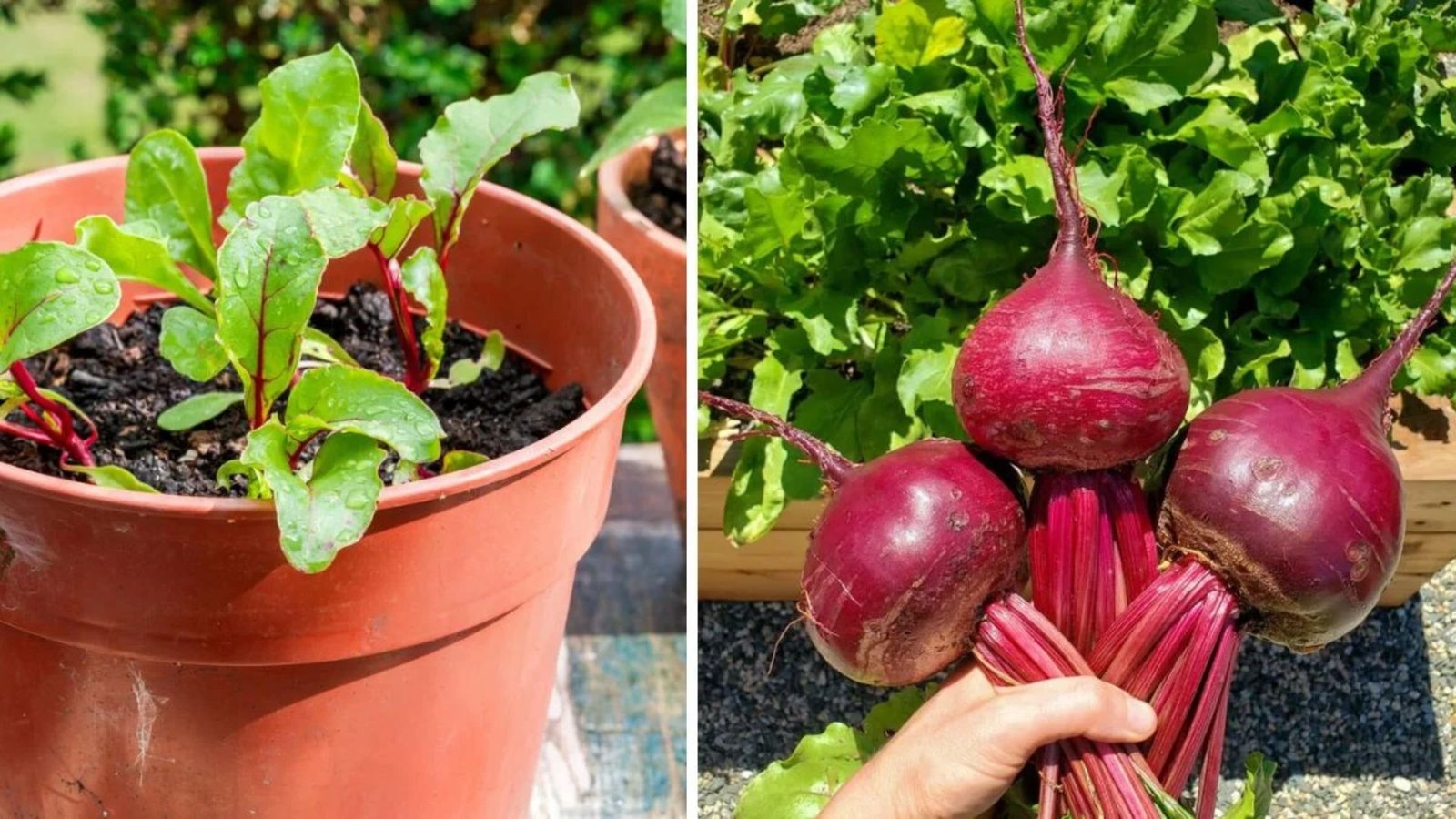
Imagine pulling up long, uniform beets from your backyard soil – no more lumpy surprises! Cylindrical beetroot brings a sleek twist to home gardening, making harvesting easier and meals more fun. In this guide, you’ll discover how to grow cylindrical beetroot at home, turning your veggie patch into a unique vegetable garden experience. Stick around for tips, facts, and easy steps to boost your green thumb.
What is Cylindrical Beetroot?
Cylindrical beetroot, or “cylinder beets,” are a fun variety of Beta vulgaris with elongated roots instead of the classic round shape. These gems grow up to 6-8 inches long, perfect for slicing into uniform rounds. They’re sweeter and less earthy than round beets, adding flair to your unique vegetable garden.
The Roots of Cylindrical Beetroot: A Quick History
Beets trace back to ancient Rome around 2,000 years ago, where they were prized for medicine. Cylindrical varieties popped up in the 19th century through selective breeding in Europe. Gardeners loved their even shape for pickling. Today, they’re a nod to old-school innovation in home beetroot cultivation.
Why Cylindrical Beetroot Rocks Your Modern Garden
In our busy world, who wants uneven veggies? Growing cylindrical beetroot at home saves space in tight plots and yields consistent crops for salads or roasting. Plus, they’re nutrient-packed – loaded with folate and antioxidants. It’s a fresh way to make your vegetable garden stand out, blending health and hobby.
How to Grow Cylindrical Beetroot at Home: Your Step-by-Step Guide
Ready to dive in? Cylindrical beetroot gardening is beginner-friendly. Start with quality seeds like ‘Cylindra’ or ‘Burpee’s Golden.’
Choosing the Right Seeds
Pick disease-resistant hybrids from trusted suppliers. Aim for 60-70 day maturity for quick wins.
Soil Preparation
They thrive in loose, well-drained soil with pH 6.0-7.0. Mix in compost for that rich base – no rocks!
Planting and Care
Sow seeds ½ inch deep, 2-3 inches apart, in full sun. Water evenly; thin seedlings to 4 inches. Mulch to keep weeds at bay.
Harvesting Your Crop
Pull when roots hit 1-2 inches wide, about 50-60 days. Twist gently – you’ll get those perfect cylinders!
Cool Facts and Stats on Cylindrical Beets
Did you know? The world record for largest beet is over 23 pounds – but cylindrical ones average a slim 1 pound each. In the U.S., home gardeners grow 20% more beets yearly, per USDA stats. Fun twist: They’re naturally purple but come in golden or white for rainbow gardens!
Pro Tips from Gardening Gurus
Success in cylindrical beetroot gardening? Succession plant every 3 weeks for steady supply. Watch for leaf miners – neem oil zaps them. And rotate crops yearly to dodge soil pests. Pro move: Companion plant with onions for natural pest control. Your unique vegetable garden will thank you!
FAQs: Your Cylindrical Beetroot Questions Answered
Can I grow cylindrical beetroot in pots?
Yes! Use 12-inch deep containers with good drainage for balcony bliss.
How often to water?
Keep soil moist but not soggy – about 1 inch weekly.
What if my beets bolt?
Hot weather triggers it; shade cloth helps in summer.
Are they safe for beginners?
Totally! Forgiving and fast – ideal for newbies.
Growing cylindrical beetroot at home isn’t just about veggies; it’s a ticket to a vibrant, rewarding garden life. You’ve got the steps, tips, and facts to start today – grab those seeds and dig in! Share your first harvest pics in the comments, or check our guide on heirloom tomatoes next. Happy gardening!