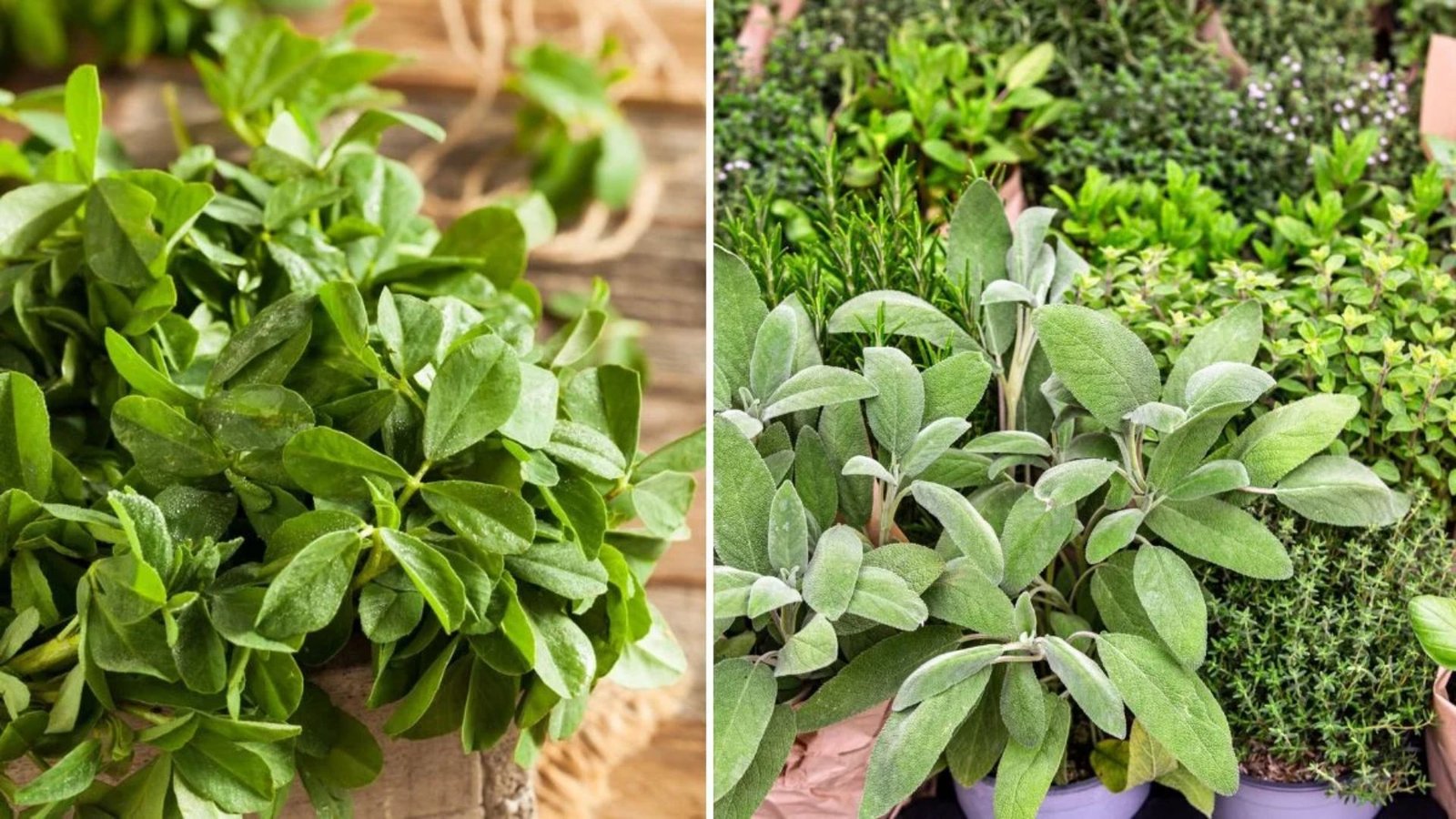
Imagine having fresh, nutrient-packed greens right on your kitchen counter, ready in just 7-10 days—no dirt, no mess, and perfect for any season. Growing fenugreek microgreens without soil (also called methi) is a simple, sustainable way to boost your indoor garden. These tiny greens add a mild curry flavor to meals while delivering big health benefits. In this guide, you’ll learn everything to start your own soilless harvest today!
What Are Fenugreek Microgreens?
Fenugreek microgreens are the young shoots of the fenugreek plant (Trigonella foenum-graecum), harvested just 7-12 days after sprouting. They have a fresh, slightly nutty taste with hints of curry—much milder than mature leaves. Growing them without soil using hydroponic methods keeps things clean and lets you enjoy the edible roots too!
A Brief History of Fenugreek
Fenugreek boasts ancient roots, with charred seeds found in Iraq dating back to 4000 BC and even in Tutankhamun’s tomb. Ancient Egyptians, Romans, and traditional Indian and Chinese medicine used it for health and cooking. Today, it’s a global favorite, especially in Indian dishes as methi.
Why Grow Fenugreek Greens Hydroponically Today?
In our busy, urban lives, hydroponic fenugreek microgreens offer a sustainable indoor gardening solution. They use less water, save space, and grow faster than soil methods. Plus, they’re packed with nutrients—perfect for health-conscious eaters wanting fresh, organic greens year-round without pesticides.
Hydroponic vs. Soil Growing Comparison
| Aspect | Hydroponic (No Soil) | Soil-Based |
|---|---|---|
| Cleanliness | No mess, easy harvest | Messy roots, soil cleanup needed |
| Growth Speed | Faster (7-10 days) | Slightly slower |
| Water Usage | Up to 90% less | Higher |
| Nutrient Control | Precise, add to water | Relies on soil quality |
| Best For | Indoor, beginners, sustainability | Traditional flavor preference |
Step-by-Step: How to Grow Fenugreek Microgreens Without Soil
Ready to start? This simple hydroponic method uses trays and a growing mat (like hemp or coconut coir).
- Soak Seeds: Soak 1-2 tablespoons of fenugreek seeds in water for 6-8 hours.
- Prepare Tray: Spread soaked seeds densely on a moist growing mat in a shallow tray.
- Blackout Period: Cover and keep in dark for 2-3 days to germinate.
- Light and Water: Move to indirect light; bottom-water daily to keep moist.
- Harvest: Cut greens at 3-4 inches tall (7-10 days total).
Add them to salads, curries, or smoothies for a flavor boost!
Notable Facts and Nutrition Stats
Fenugreek microgreens pack a punch—often more nutrients than mature plants.
Key Nutrition Highlights (per 100g estimate)
| Nutrient | Amount/Benefit | Comparison |
|---|---|---|
| Iron | High (up to 5x more than broccoli) | Great for anemia prevention |
| Vitamin C | Abundant | Boosts immunity |
| Fiber & Protein | Excellent source | Aids digestion |
| Blood Sugar Aid | Improves uptake by 25-44% | Helpful for diabetes management |
They’re low-calorie superfoods with antioxidants.
Expert Tips for Success
- Use pH-balanced water (5.5-6.5) for best absorption.
- Avoid overwatering to prevent mold—bottom watering works great.
- Grow in 60-75°F temps with 8-10 hours of light.
- Reuse mats for multiple batches to stay sustainable.
Frequently Asked Questions
How long do fenugreek microgreens take to grow without soil?
Usually 7-10 days from seeding to harvest.
Can I eat the roots in hydroponic growth?
Yes! They’re edible and nutritious—unlike soil-grown where they’re discarded.
Do I need special equipment?
No—just trays, mats, and seeds. Perfect for beginners.
Are fenugreek microgreens safe?
Generally yes, but consult a doctor if you have allergies or take medications.
Conclusion
Growing fenugreek microgreens without soil is an easy, rewarding way to create a sustainable indoor garden. You’ll enjoy fresh, flavorful greens bursting with health benefits in under two weeks. Start small today—grab some seeds, set up a tray, and watch your mini garden thrive. Share your harvest with friends or try new recipes. Happy growing!