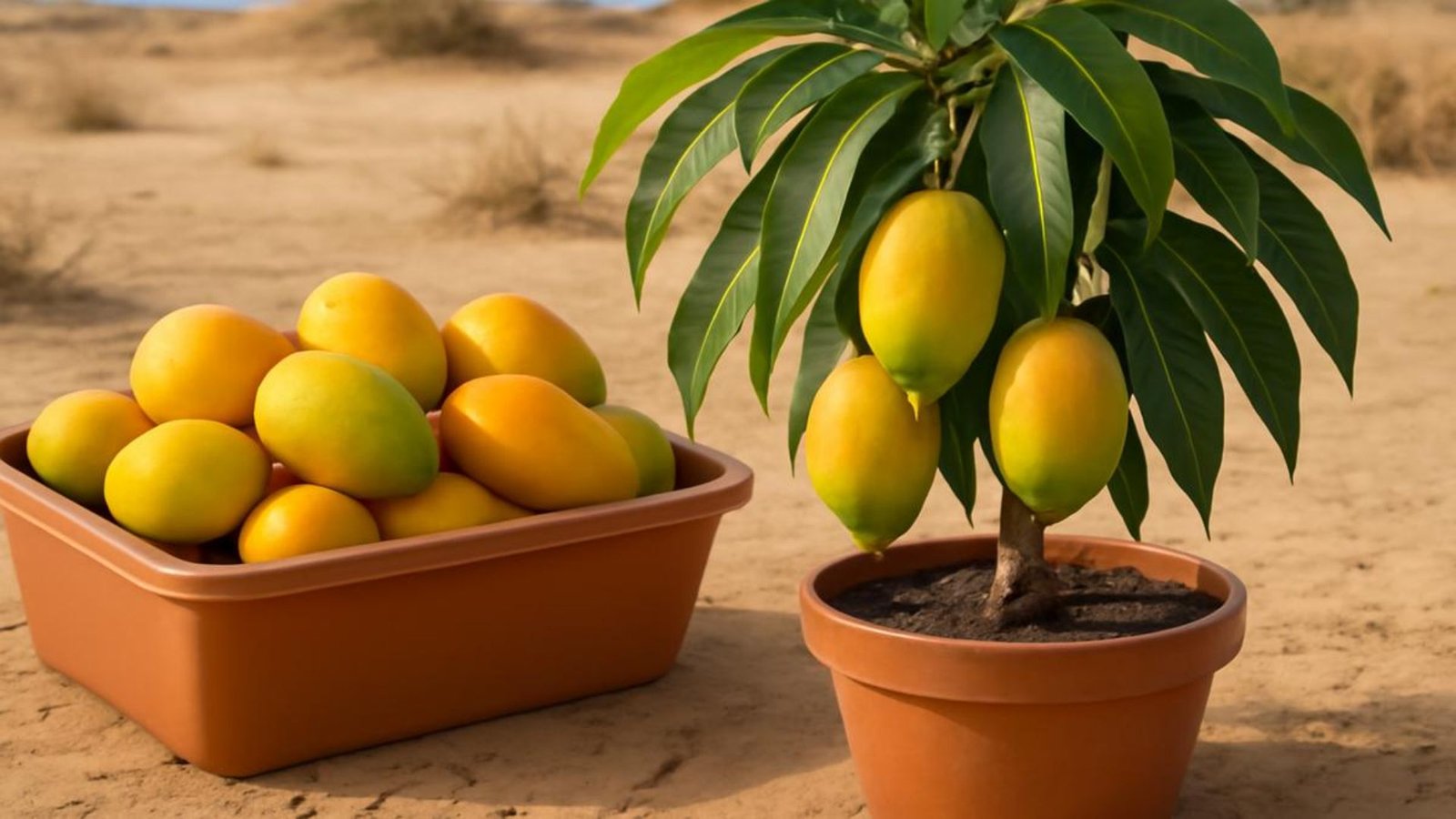
Imagine sinking your teeth into sun-ripened mangoes straight from your patio—sweet, juicy, and utterly tropical. Even if you’re in a bone-dry spot like Arizona or inland Texas, container mango gardening makes this dream real. Why does it matter? Homegrown fruits cut grocery bills, boost your garden’s vibe, and deliver that fresh-picked thrill. Stick around, and I’ll spill the secrets to success, from picking pots to harvesting heaven.
Introduction to Growing Mangoes in Containers
Growing mangoes in containers flips the script on tropical fruits in dry areas. These evergreen trees thrive in pots, letting you control soil, sun, and shelter. Dwarf varieties stay compact, perfect for balconies or small yards. No sprawling orchard needed—just smart setup for juicy rewards.
The Rich History of Mango Cultivation
Mangoes hail from southern Asia, tamed over 4,000 years ago in India. Buddhist monks spread seeds across Southeast Asia by the 5th century B.C., blending wild flavors into today’s 1,000+ cultivars. Fast-forward: Portuguese traders carried them to Africa and Brazil in the 1500s, turning the “king of fruits” global.
Why Container Mangoes Rock in Today’s World
In our warming climate, backyard growers crave resilient options. Container mango gardening suits urban hobbyists, dodging frosts or droughts with easy moves indoors. Plus, fresh mangoes pack vitamin C and antioxidants—health perks at your fingertips. With global production hitting 62 million tons yearly, home plots add to that bounty without big land.
Your Guide to Thriving Mango Trees in Pots
Ready to dive in? Start with dwarf picks like ‘Pickering’ or ‘Carrie’ for pots—they fruit faster in tight spaces.
Choosing the Right Variety
Opt for compact types suited to tropical fruits in dry climates. Here’s a quick compare:
| Variety | Mature Height | Fruit Flavor | Time to Fruit |
|---|---|---|---|
| Pickering | 6-10 ft | Sweet, fiberless | 2-3 years |
| Carrie | 8-12 ft | Rich, tangy | 3-4 years |
| Irwin | 10-15 ft | Vibrant orange | 3-5 years |
Selecting the Perfect Container and Soil
Grab a 15-25 gallon pot with drainage holes—think whiskey barrel style for stability. Mix 40% compost, 40% peat, 20% sand for airy, nutrient-rich soil that fights dry spells.
Planting, Watering, and Care in Dry Areas
Plant in spring, full sun (6-8 hours). Water deeply but infrequently—mulch with 2 inches of organics to lock moisture. Fertilize monthly with balanced mix; prune lightly for shape.
Pros and cons at a glance:
| Pros of Containers | Cons of Containers |
|---|---|
| Portable for weather shifts | Needs regular repotting |
| Ideal for small spaces | Slower growth than ground |
| Pest control is easier | More hands-on watering |
Mango Magic: Fun Facts and Stats
India leads with 26.3 million tons annually—nearly half the world’s haul. By 2034, expect 86 million tons globally as demand soars. Fun bit: Mango trees can live 300 years and bear 1,000 fruits per season!
Pro Tips from Seasoned Gardeners
- Shield young trees from winds in dry zones—use burlap screens.
- Boost humidity with pebble trays; mist leaves weekly.
- Watch for anthracnose: Copper sprays keep it at bay.
- Patience pays: First fruits in 3-5 years, but pots speed it up.
Frequently Asked Questions (FAQs)
Can mango trees in pots fruit in dry climates?
Yes! Dwarf ones handle heat well with mulch and shade cloth.
How often to water container mangoes?
Every 2-3 days in summer; check soil dryness first.
What if my pot mango drops leaves?
Likely underwatering—up the frequency and add mulch.
Best fertilizer for potted mangoes?
Slow-release, high-potassium for blooms.
Can I grow them indoors?
Sure, near sunny windows, but fruiting needs outdoor heat.
Conclusion: Pick and Savor Your Prize
Growing mangoes in containers unlocks tropical joy anywhere, even arid spots. From ancient Indian groves to your patio harvest, these tips promise juicy wins. Grab a pot, pick a variety, and start today—your first bite awaits! Share your setup in comments or explore citrus pots next. Happy gardening!