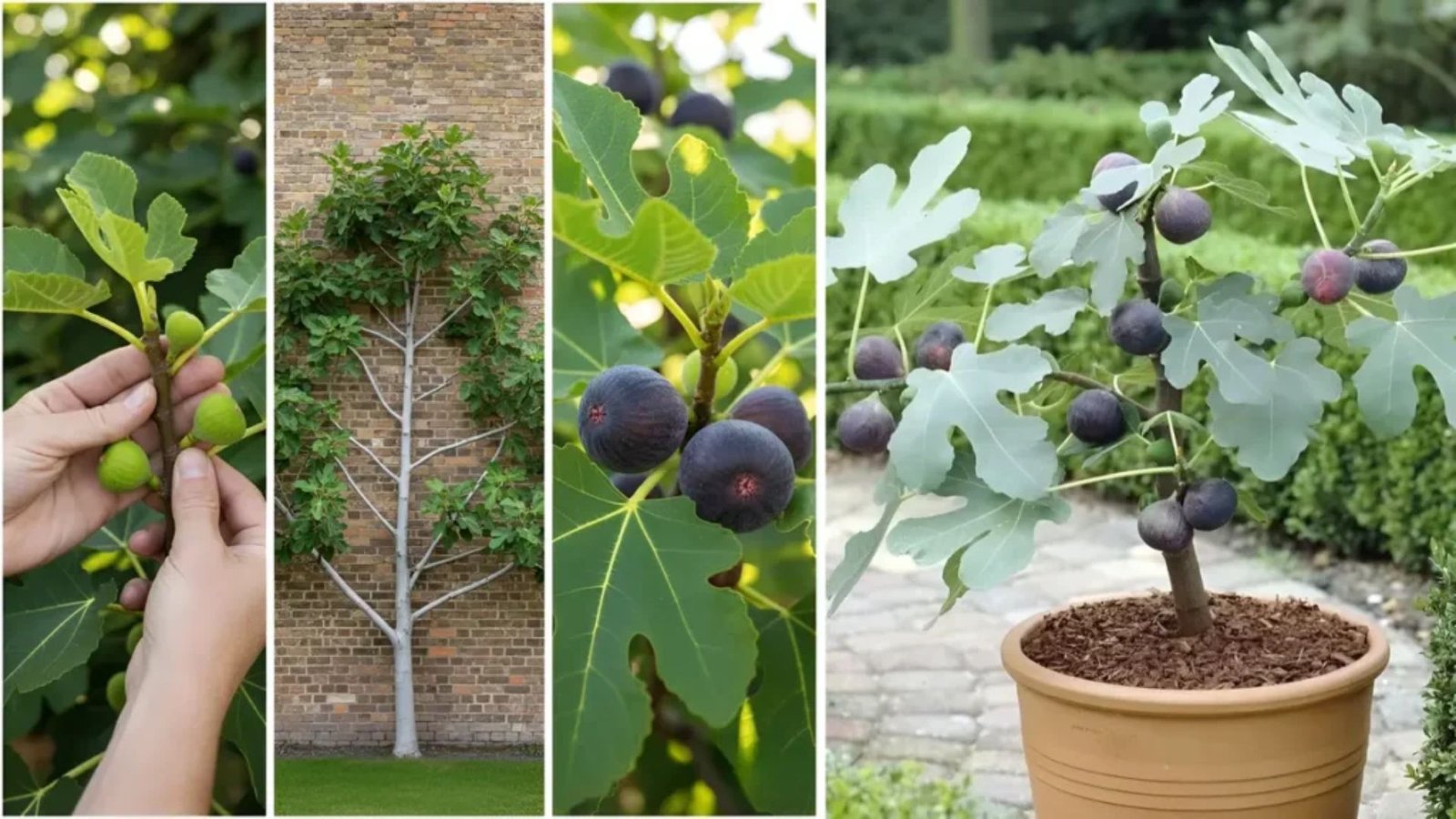
Imagine biting into a warm, sun-ripened fig straight from your own tree—sweet, juicy, and bursting with flavor. Growing a fig tree at home is easier than you think, even in pots on a patio or indoors. These ancient fruits are packed with nutrients, low-maintenance once established, and perfect for hobby gardeners. In this guide, you’ll learn everything from planting to harvesting sweet, healthy fruits that’ll make your backyard the envy of the neighborhood.
Introduction to Growing Fig Trees at Home
Fig trees (Ficus carica) are deciduous shrubs or small trees that thrive in warm, sunny spots. Perfect for home gardening, they can grow in the ground in USDA zones 7-11 or in containers for cooler climates (down to zone 5 with protection). With large, lobed leaves and delicious fruit, they’re both ornamental and productive.
A Brief History of Fig Trees
Figs are one of humanity’s oldest cultivated fruits, dating back over 11,000 years to the Near East—predating wheat and barley domestication. Ancient civilizations in Mesopotamia, Egypt, and the Mediterranean prized them for food, medicine, and symbolism. Spanish missionaries brought them to the Americas in the 1500s, and today, home growers continue this timeless tradition.
Why Grow Figs at Home Today?
Fresh figs from the store are expensive and often underwhelming. Growing your own means endless sweet, nutrient-rich fruits high in fiber, potassium, and antioxidants. Fig trees are drought-tolerant, pest-resistant, and adaptable—great for beginners. Plus, they add beauty to your garden or patio while providing shade and privacy.
How to Grow and Care for Your Fig Tree
Start with a healthy nursery plant in spring. Choose a sunny spot with well-draining soil (pH 6.0-6.5).
- Planting: Dig a hole twice the root ball’s width. For pots, use a large container with drainage.
- Watering: Deeply weekly during establishment; reduce once mature to concentrate sugars for sweeter fruit.
- Fertilizing: Use balanced fertilizer in spring and midsummer.
- Pruning: In late winter, remove dead wood and open the canopy for airflow and sun.
Harvest when figs soften and droop—fully ripe on the tree for best flavor.
Popular Fig Tree Varieties Comparison
| Variety | Fruit Color/Flavor | Hardiness (Zones) | Best For | Fruiting Notes |
|---|---|---|---|---|
| Brown Turkey | Brown-purple, sweet | 7-10 | Beginners, reliable yield | Two crops possible |
| Black Mission | Dark purple, rich | 7-11 | Warm climates | Prolific, great fresh/dried |
| Celeste | Brown, very sweet | 6-10 | Cooler areas | Cold-hardy, compact |
| Chicago Hardy | Purple, honey-like | 5-10 | Containers, cold protection | Survives freezes |
| Violette de Bordeaux | Purple-black, berry-like | 7-10 | Gourmet flavor | Compact, high quality |
Notable Facts About Figs
Figs aren’t true fruits—they’re inverted flowers (syconia). Common varieties are self-pollinating, no wasp needed. One tree can produce dozens of fruits annually, and they’re higher in fiber and minerals than most fruits.
Expert Tips for Sweeter, Healthier Fruits
- Maximize sun: 8+ hours daily for sugar development.
- Restrict water slightly after fruit set—stresses the tree for sweeter figs.
- Mulch to retain moisture and suppress weeds.
- Pinch tips in summer to encourage earlier ripening.
- Protect ripening fruit with bags from birds.
Common Problems and Solutions
| Problem | Signs | Solution |
|---|---|---|
| Root-knot nematodes | Galls on roots, stunted growth | Plant resistant varieties, improve drainage |
| Fig rust | Yellow spots on leaves | Prune for airflow, fungicide if needed |
| Birds/squirrels | Pecked fruit | Netting or organza bags |
| Overwatering | Yellow leaves, rot | Let soil dry between waterings |
Most issues are preventable with good site selection and care.
Frequently Asked Questions
Can I grow a fig tree in a pot?
Yes! Ideal for small spaces or cold climates—move indoors in winter.
How long until fruit?
2-5 years, depending on starting size.
Do fig trees need pollination?
Common home varieties are self-fertile.
Why are my figs not sweet?
Likely too much water or shade—adjust for better results.
When to prune?
Late winter while dormant.
Conclusion
Growing a fig tree at home rewards you with sweet, healthy fruits and a beautiful plant that’s surprisingly easy to care for. Start small with a potted variety, follow these tips, and soon you’ll be enjoying your own bountiful harvest. Share your fig adventures in the comments, try a new recipe, or plant one today—your taste buds will thank you!