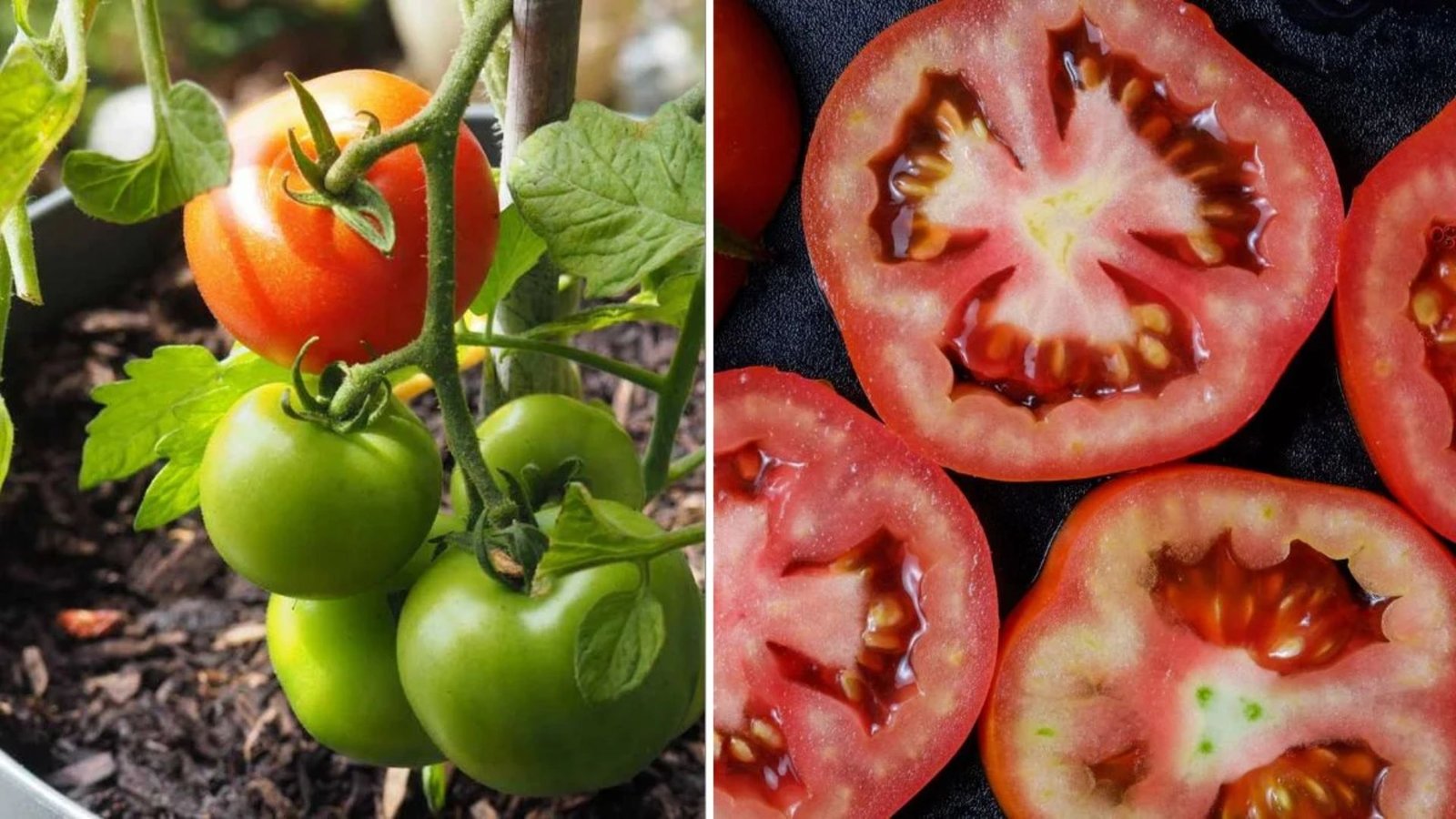
Imagine biting into a juicy, sun-ripened tomato straight from your garden—bursting with flavor that store-bought ones just can’t match. If you’re tired of spending money on seedlings every year, growing tomatoes from seeds saved from your own fruit is a game-changer. This simple seed-saving method lets you enjoy free plants, preserve favorite varieties, and get healthier harvests faster. Let’s dive in and turn your kitchen scraps into a thriving tomato patch!
What Is Seed Saving for Tomatoes?
Growing tomatoes from fruit at home involves extracting seeds from ripe tomatoes, preparing them properly, and planting them to grow new plants. The easy seed-saving method uses fermentation to remove the gel coating around seeds, mimicking nature’s process. This ensures high germination rates and disease-free starts, perfect for hobbyist gardeners wanting organic, homegrown tomatoes.
A Brief History of Tomato Seed Saving
Tomatoes originated in South America and were domesticated by indigenous peoples thousands of years ago. Seed saving has been practiced since ancient times, allowing varieties to adapt and thrive. Europeans adopted tomatoes in the 16th century, and home gardeners saved seeds routinely until commercial hybrids emerged post-WWII. Today, reviving this tradition preserves heirloom varieties and promotes sustainable gardening.
Why Grow Tomatoes from Saved Seeds Today?
In an era of rising food costs and concerns over hybrids, saving tomato seeds is more relevant than ever. Tomatoes are America’s most popular home garden crop, with millions grown annually for their fresh taste. Benefits include cost savings (free seeds year after year), better adaptation to your local soil and climate, superior flavor from heirlooms, and reduced disease risk through proper fermentation.
Here’s a quick comparison:
| Aspect | Buying Seeds/Seedlings | Saving Seeds from Fruit |
|---|---|---|
| Cost | $3–$10 per packet/plant | Free after initial harvest |
| Variety Selection | Limited to commercial options | Preserve your favorites forever |
| Plant Health | Risk of store-bought issues | Adapted to your garden conditions |
| Environmental Impact | Packaging and shipping | Sustainable, zero waste |
Step-by-Step Guide: How to Save and Grow Tomato Seeds
- Choose ripe, healthy heirloom or open-pollinated tomatoes (hybrids won’t breed true).
- Cut the tomato and scoop seeds with gel into a jar.
- Add equal water, cover loosely, and ferment 2–3 days until mold forms.
- Rinse seeds, discarding floaters (viable ones sink).
- Dry on paper towel or plate for 1–2 weeks.
- Store in a cool, dry place.
- Start indoors 6–8 weeks before last frost, then transplant for fast growth.
This method yields strong seedlings ready for healthy harvests.
Notable Facts and Tips
Tomato seeds can remain viable for 5–10 years when stored properly. Home gardeners often grow 3–10 plants per person for fresh eating and preserving.
| Tomato Type | Days to Harvest | Best For |
|---|---|---|
| Cherry | 60–70 | Snacking, fast yields |
| Beefsteak | 80–100 | Slicing, big fruits |
| Heirloom | Varies | Unique flavors, seed saving |
Expert Tips for Success
- Use only disease-free fruits for saving seeds.
- Ferment briefly to avoid reducing germination.
- Provide full sun and consistent water for robust plants.
- Stake vines to prevent pests and improve airflow.
Frequently Asked Questions
Can I save seeds from store-bought tomatoes?
Often hybrids, so results vary—better with heirlooms.
How long does fermentation take?
2–3 days; stop when mold appears.
When to plant saved seeds?
Indoors 6–8 weeks before last frost.
Do saved seeds grow better?
Yes, they adapt to your garden over time.
Conclusion
Growing tomatoes from fruit at home with this easy seed-saving method is rewarding, cost-effective, and connects you to timeless gardening traditions. You’ll enjoy faster, healthier harvests and endless fresh tomatoes. Grab a ripe one today, save those seeds, and start your own legacy—your garden (and taste buds) will thank you! Share your results or try it this season.