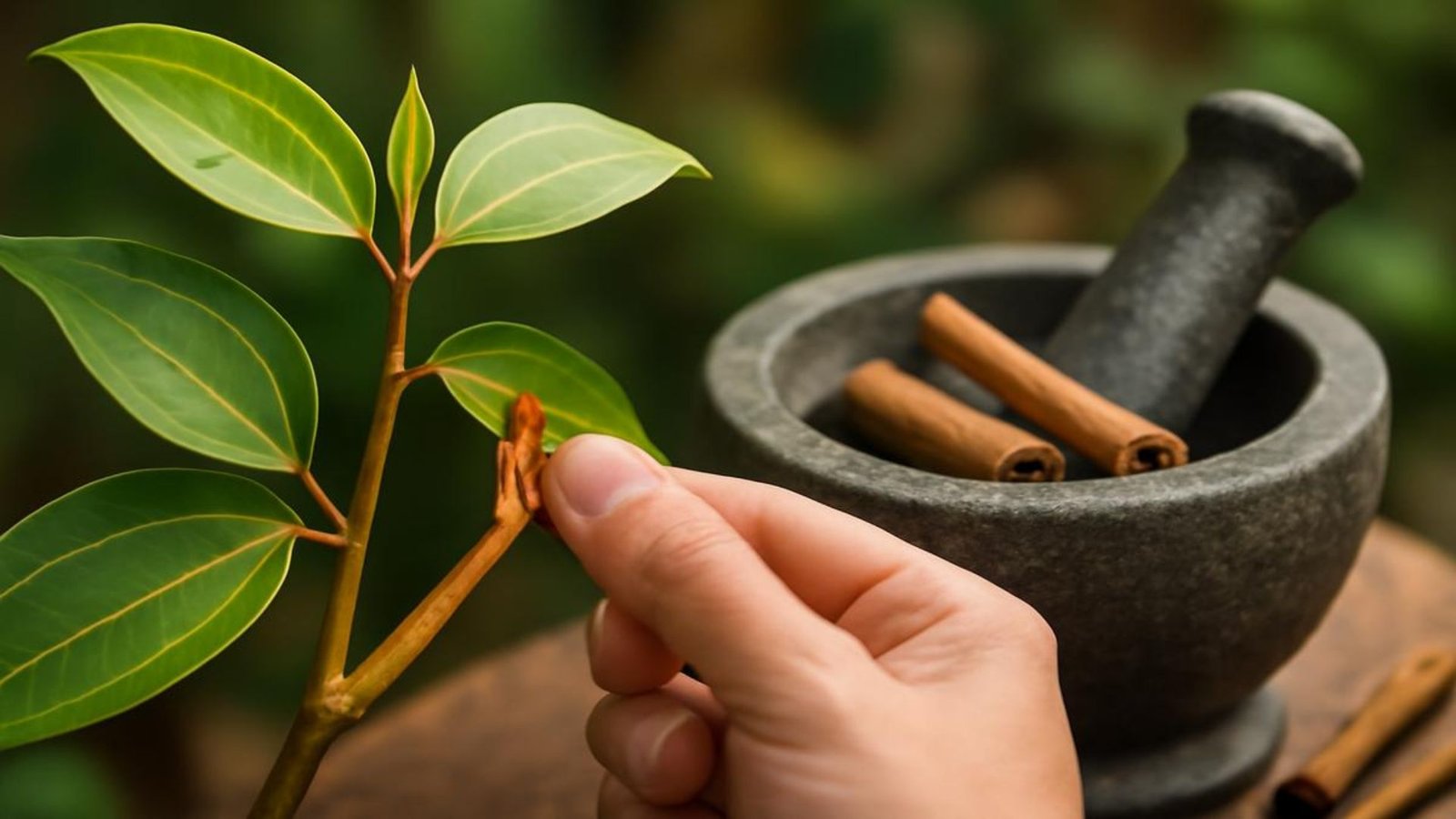
Imagine sprinkling fresh, home-grown cinnamon into your morning coffee or holiday baking—straight from your own tree! Growing cinnamon from a seedling is a rewarding hobby that brings tropical flair to your garden or home. Not only do you get an endless supply of this beloved spice, but you’ll enjoy the process of nurturing a fragrant evergreen plant.
In this guide, we’ll walk you through everything you need to know about growing cinnamon from seedling to harvest. Whether you’re a beginner gardener or seasoned hobbyist, you’ll soon be on your way to your own spice harvest.
What Is a Cinnamon Tree?
The cinnamon tree (Cinnamomum verum), also known as true Ceylon cinnamon, is an evergreen native to Sri Lanka. It’s the inner bark that’s harvested and dried into the sticks or powder we love. Unlike cassia cinnamon (often sold in stores), true cinnamon has a milder, sweeter flavor.
These trees can grow tall in the wild but stay manageable in pots—perfect for home growers.
The Fascinating History of Cinnamon
Cinnamon dates back to around 2800 B.C. in ancient China and was mentioned in the Bible. It was once more valuable than gold, used in Egyptian embalming and as a gift for kings.
Arab traders guarded its origins with myths, while European powers like the Portuguese and Dutch fought for control of Sri Lanka’s plantations. Today, it’s a everyday spice—but growing your own connects you to this rich past.
Why Grow Cinnamon at Home Today?
In our fast-paced world, growing cinnamon from seedling offers fresh, organic spice free from additives. It’s sustainable: trees regrow after harvesting.
Plus, the glossy leaves release a spicy scent, making it a beautiful houseplant. Health perks include potential blood sugar support, and it’s a fun, low-maintenance project for hobby gardeners.
Step-by-Step Guide: Growing Cinnamon from Seedling
Ready to start growing cinnamon from a seedling? Here’s how:
- Choose Your Starting Point: Buy a healthy seedling from a nursery or propagate from fresh seeds (germinate in 2-3 weeks).
- Pot and Soil: Use a large pot (at least 18-24 inches) with drainage. Mix well-draining, slightly acidic soil (pH 4.5-6) with compost and perlite.
- Planting: Place the seedling at the same depth, water thoroughly, and position in bright, indirect light (full sun outdoors in warm climates).
- Watering and Humidity: Keep soil moist but not soggy—check top inches. Mist leaves for humidity, especially indoors.
- Light and Temperature: 6-12 hours of bright light daily; temps above 60°F (ideally 70-90°F).
- Fertilizing: Use balanced, slow-release fertilizer every 4-6 weeks in growing season.
- Pruning: Trim to encourage bushy growth.
- Harvesting: Wait 2-3 years. Cut branches, peel outer bark, scrape inner layer, and dry into curls.
Pros and Cons of Growing Cinnamon Indoors vs. Outdoors
| Aspect | Indoors (Pots) | Outdoors (Ground) |
|---|---|---|
| Climate Control | Easy in cold areas | Best in USDA zones 9-11 |
| Size | Stays compact (3-8 ft) | Can grow taller |
| Harvest Yield | Smaller but consistent | Larger harvests |
| Maintenance | Higher humidity needs | Natural rainfall helps |
| Pest Issues | Fewer outdoors pests | More exposure to insects |
Cinnamon Varieties Comparison
| Variety | Flavor Profile | Origin | Best For Home Growing |
|---|---|---|---|
| Ceylon (True) | Mild, sweet | Sri Lanka | Yes – finer quality |
| Cassia | Strong, spicy | China/Vietnam | Tolerates cooler |
| Saigon | Intense | Vietnam | High oil content |
Notable Facts About Cinnamon
- Sri Lanka produces 80-90% of the world’s true cinnamon.
- One tree can yield harvestable bark every 2 years after maturity.
- Cinnamon has antibacterial properties—great for natural pest control in gardens.
Expert Tips for Success
- Mulch around the base to retain moisture.
- Watch for root rot: always ensure good drainage.
- Prune after harvest to promote new shoots.
- If indoors, use grow lights in winter for best growth.
Frequently Asked Questions
How long until I can harvest cinnamon?
2-3 years from seedling for the first harvest, then every 2 years.
Can I grow cinnamon indoors?
Yes! It’s an excellent houseplant in bright spots.
Is cinnamon toxic to pets?
In large amounts, yes—keep harvested bark away from dogs/cats.
Why are my leaves browning?
Likely low humidity or overwatering—mist more and check soil.
Growing your own cinnamon tree is a delightful journey from tiny seedling to aromatic harvest. You’ll save money on spice, enjoy a fragrant plant, and gain bragging rights for homemade cinnamon sticks.
Start today—grab a seedling and watch it thrive! Share your progress in the comments or try related plants like bay laurel. Happy gardening!