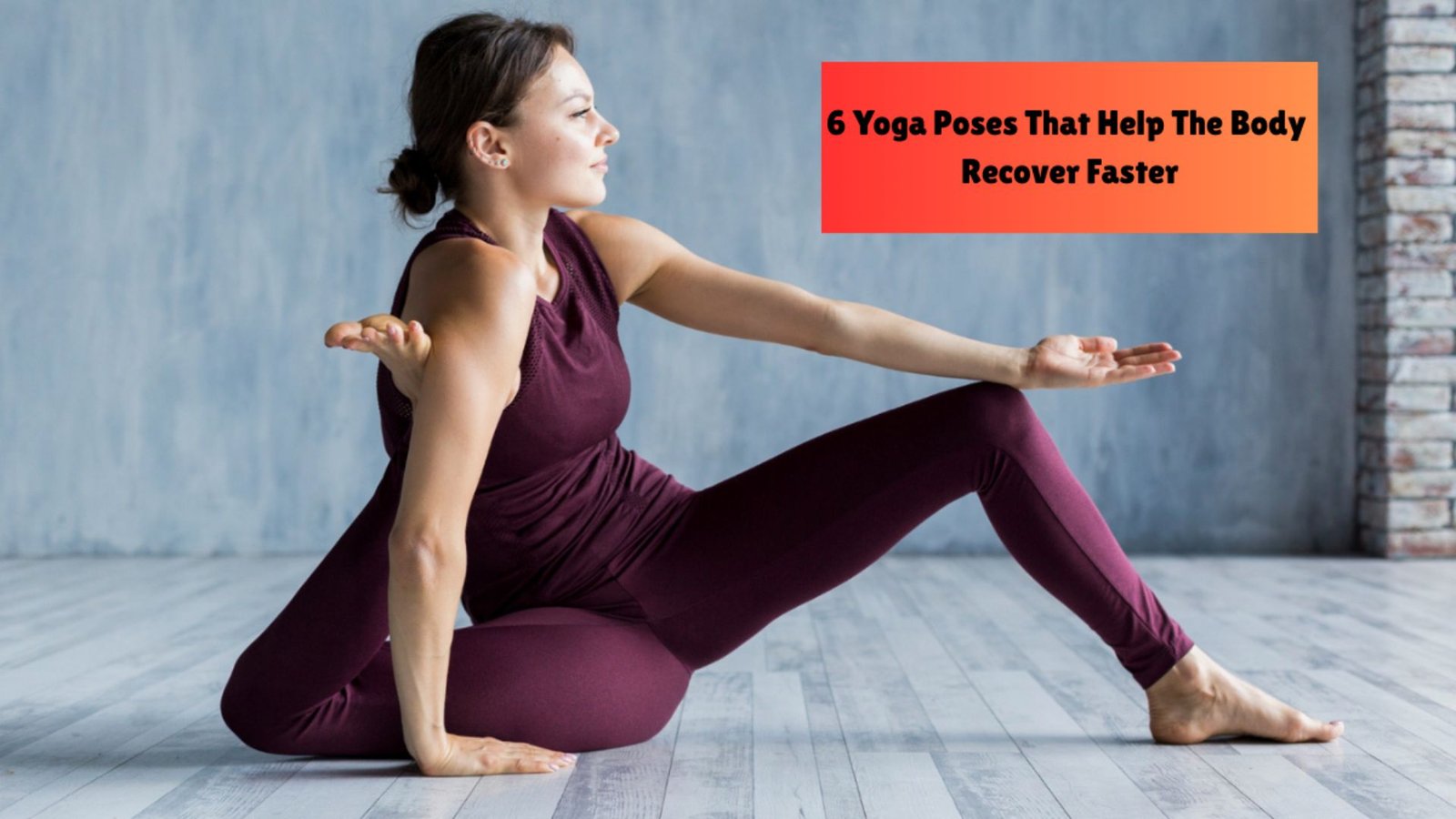
Ever finished a tough workout feeling sore and exhausted, wondering how to bounce back quicker? You’re not alone—many of us push hard but skip the crucial recovery phase. The good news? Simple yoga poses for recovery can speed up healing, reduce soreness, and get you ready for your next session. In this post, we’ll explore six gentle yoga poses that promote faster muscle recovery, improved circulation, and deep relaxation.
What Are Recovery Yoga Poses?
Recovery yoga poses are gentle, restorative asanas designed to help your body heal after exercise. Unlike energetic flows, these focus on relaxation, stretching tight muscles, and boosting blood flow. They draw from restorative yoga, using props for support to allow deep release without strain.
A Brief History of Restorative Yoga
Yoga’s roots go back thousands of years in ancient India, but restorative yoga is more modern. It stems from B.K.S. Iyengar’s teachings in the 20th century. Iyengar used props to make poses accessible for injury recovery. His student, Judith Lasater, popularized it in the U.S. in the 1970s, emphasizing relaxation for stress and healing.
Why Yoga is Essential for Faster Recovery Today
In our busy lives, workouts build strength but also cause micro-tears in muscles, leading to soreness. Yoga for post-workout recovery activates the parasympathetic nervous system, reducing stress hormones like cortisol. It improves circulation, flushes lactic acid, and delivers oxygen to muscles—helping you recover faster and prevent injury.
Studies show yoga enhances heart rate variability, a marker of better autonomic recovery after intense exercise.
6 Best Yoga Poses for Body Recovery
Here are six effective yoga poses that help the body recover faster. Hold each for 1-5 minutes, breathing deeply.
- Child’s Pose (Balasana)
Kneel, sit back on heels, fold forward with arms extended. Great for releasing back and hip tension. - Downward Facing Dog (Adho Mukha Svanasana)
From hands and knees, lift hips up and back into an inverted V. Stretches hamstrings, calves, and back gently. - Pigeon Pose (Eka Pada Rajakapotasana)
From Downward Dog, bring one knee forward, extend the other leg back. Deep hip opener for glutes and lower back. - Legs Up the Wall (Viparita Karani)
Lie on your back with legs extended up a wall. Reduces swelling, improves circulation in legs. - Reclining Bound Angle Pose (Supta Baddha Konasana)
Lie back, bring soles of feet together, let knees fall open. Opens hips and groin gently. - Corpse Pose (Savasana)
Lie flat on your back, arms and legs relaxed. Allows full body integration and mental calm.
Pose Comparison Table
| Pose | Main Benefits | Target Areas | Hold Time Suggestion |
|---|---|---|---|
| Child’s Pose | Calms mind, stretches back | Back, hips, shoulders | 3-5 minutes |
| Downward Dog | Improves circulation, full stretch | Hamstrings, back, shoulders | 1-3 minutes |
| Pigeon Pose | Deep hip release | Hips, glutes, lower back | 2-5 minutes/side |
| Legs Up the Wall | Reduces swelling, relaxes legs | Legs, lower back | 5-10 minutes |
| Reclining Bound Angle | Opens hips, promotes relaxation | Inner thighs, groin, chest | 5 minutes |
| Corpse Pose | Full body rest, reduces stress | Entire body, mind | 5-10 minutes |
Notable Benefits and Insights
Yoga speeds recovery by increasing blood flow and reducing inflammation. One study found yoga improved heart rate variability more than static stretching post-HIIT.
Benefits Table: Yoga vs. Passive Rest
| Aspect | Yoga Recovery | Passive Rest Only |
|---|---|---|
| Circulation | Significantly improved | Minimal |
| Soreness Reduction | Faster (flushes lactic acid) | Slower |
| Stress Hormones | Lowered | May remain elevated |
| Flexibility Gain | Enhanced over time | Limited |
Expert Tips for Practicing Recovery Yoga
- Practice soon after workouts when muscles are warm.
- Use props like blankets or blocks for support.
- Breathe deeply—inhale for 4 counts, exhale for 6.
- Listen to your body; avoid pain.
- Combine with hydration and protein for best results.
Frequently Asked Questions
How often should I do these yoga poses for recovery?
2-3 times a week, or after intense workouts.
Can beginners try these poses?
Yes! They’re gentle—start slow and use modifications.
Do I need props?
Helpful but not essential; use pillows or walls.
How long until I feel faster recovery?
Many notice less soreness after a few sessions.
Conclusion
Incorporating these 6 yoga poses that help the body recover faster can transform your fitness routine. From reducing soreness to boosting overall well-being, restorative yoga is a game-changer. Try them today—your body will thank you. Share your experiences in the comments, or explore more yoga tips. Namaste!