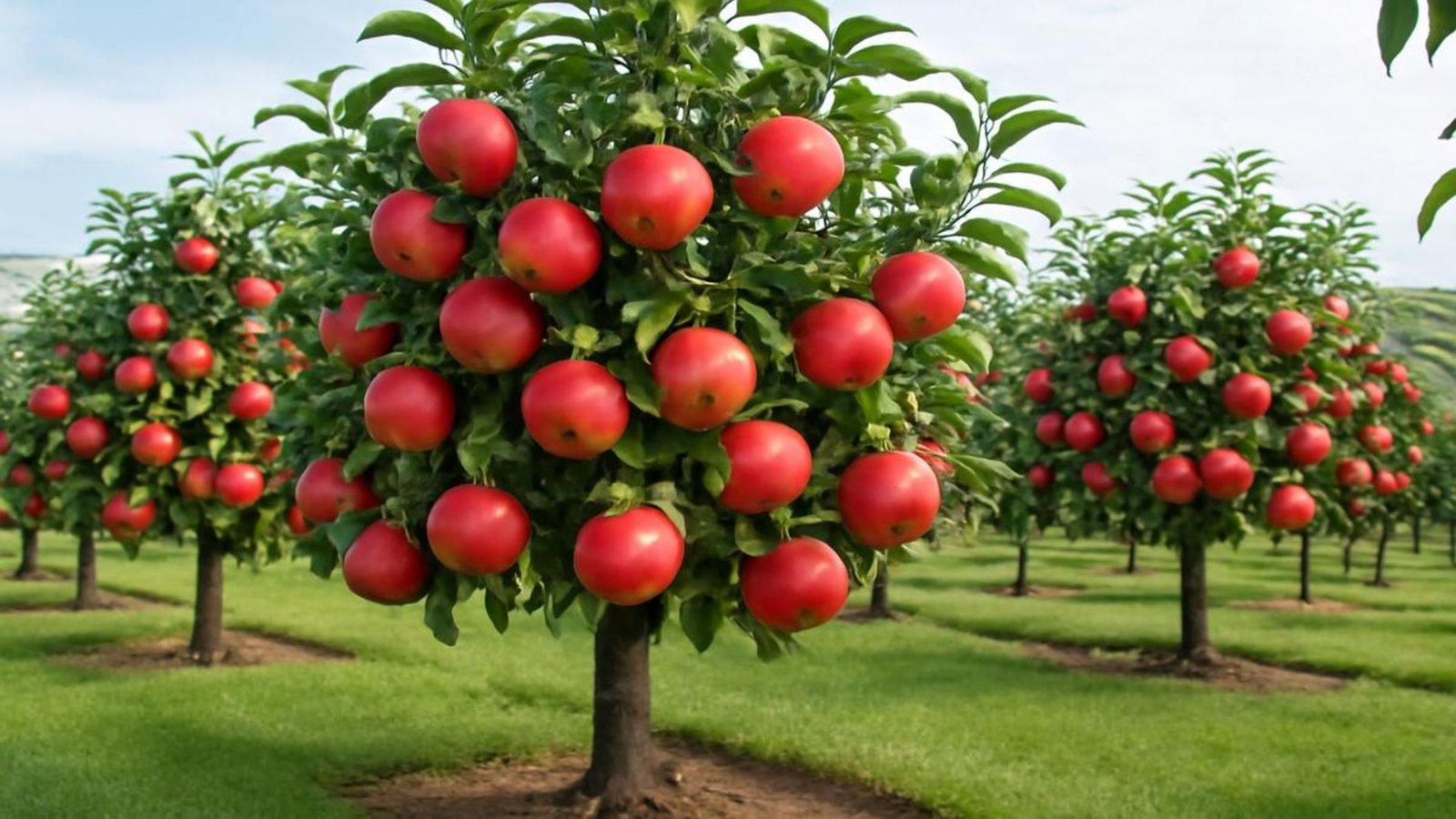
Imagine plucking crisp, full-sized Honeycrisp apples from a tree no taller than your fence—without ladders or backaches. In our cramped modern gardens, who wouldn’t dream of that? The new rootstock method is shaking up home gardening, letting hobbyists grow dwarf apple trees that pump out bumper crops of juicy, full-size fruits. Stick around, and you’ll uncover how this breakthrough turns tiny spaces into apple paradises, plus tips to try it yourself.
What Is the New Rootstock Method?
At its core, the new rootstock method uses advanced dwarfing rootstocks—like the latest Geneva 41 series—to keep apple trees compact while ensuring scion varieties produce those mouthwatering, full-size fruits we crave. No more puny harvests! Grafted onto these super-efficient roots, your tree stays under 10 feet tall but delivers apples as big as your fist. It’s like giving your garden a growth hack.
A Quick History of Apple Rootstocks
Apple grafting dates back to ancient Rome, but dwarf rootstocks exploded in the 20th century thanks to East Malling research in the UK. Fast-forward to 2024-2025: USDA breeders unveiled enhanced hybrids blending disease resistance with vigor control. This “new rootstock method” builds on that, fine-tuning for home growers who want dwarf apple trees without sacrificing flavor or size.
Why Dwarf Apple Trees Are a Game-Changer Today
Space is gold in suburban yards, and climate quirks demand resilient plants. Dwarf apple trees via this rootstock method thrive in pots or small plots, resist pests better, and fruit earlier—often in year two. For eco-conscious hobbyists, they cut water use by 30% and boost biodiversity. In a world of rising food costs, growing your own full-size fruits feels like a smart, satisfying win.
How to Grow Dwarf Apple Trees with This Method
Ready to dig in? Start with a certified Geneva rootstock from a nursery. In spring, graft your fave variety (say, Gala) using a simple whip-and-tongue cut. Plant in well-drained soil, stake for wind, and mulch like mad. Water deeply but infrequently—aim for 1 inch weekly. By fall, watch buds swell. It’s beginner-friendly, with harvests in 18-24 months.
Mind-Blowing Facts and Stats on Full-Size Fruit Yields
Did you know one dwarf apple tree can yield 50-100 lbs of fruit annually? Recent trials show the new method boosts output by 20% over older dwarfs, thanks to optimized nutrient uptake. In 2025 USDA tests, Geneva hybrids hit record pest tolerance—95% survival in humid zones. Hobbyists report apples up to 3 inches wide, rivaling commercial giants.
Pro Tips from Gardening Pros
Pick sunny spots with 6+ hours of light—apples love it. Fertilize with low-nitrogen blends in spring to avoid leggy growth. Prune annually post-harvest: thin branches for airflow and big fruits. For flavor pops, interplant with pollinators like bees’ balm. Oh, and chill hours matter—choose varieties matching your zone.
Frequently Asked Questions
Can all apple varieties work with dwarf rootstocks?
Yep! Most, from Granny Smith to Fuji, graft seamlessly for full-size fruits.
How do I source these new rootstocks?
Check local nurseries or online at Stark Bro’s—look for 2025 Geneva labels.
Will dwarf apple trees survive harsh winters?
Many are hardy to zone 4; mulch roots deeply for extra protection.
What’s the yield difference for beginners?
Expect 20-40 lbs first year, scaling to 80+ as it matures.
Is this method organic-friendly?
Absolutely—fewer sprays needed due to built-in resistances.
In wrapping up, the new rootstock method isn’t just a trend; it’s your ticket to effortless, abundant dwarf apple trees bursting with full-size fruits. Whether you’re a newbie with a balcony or a seasoned green thumb, it slashes effort while amping joy. Grab a rootstock this season, plant that dream harvest, and share your first pick in the comments. What’s your go-to apple variety? Dive into our guides on [best dwarf fruit trees] next!