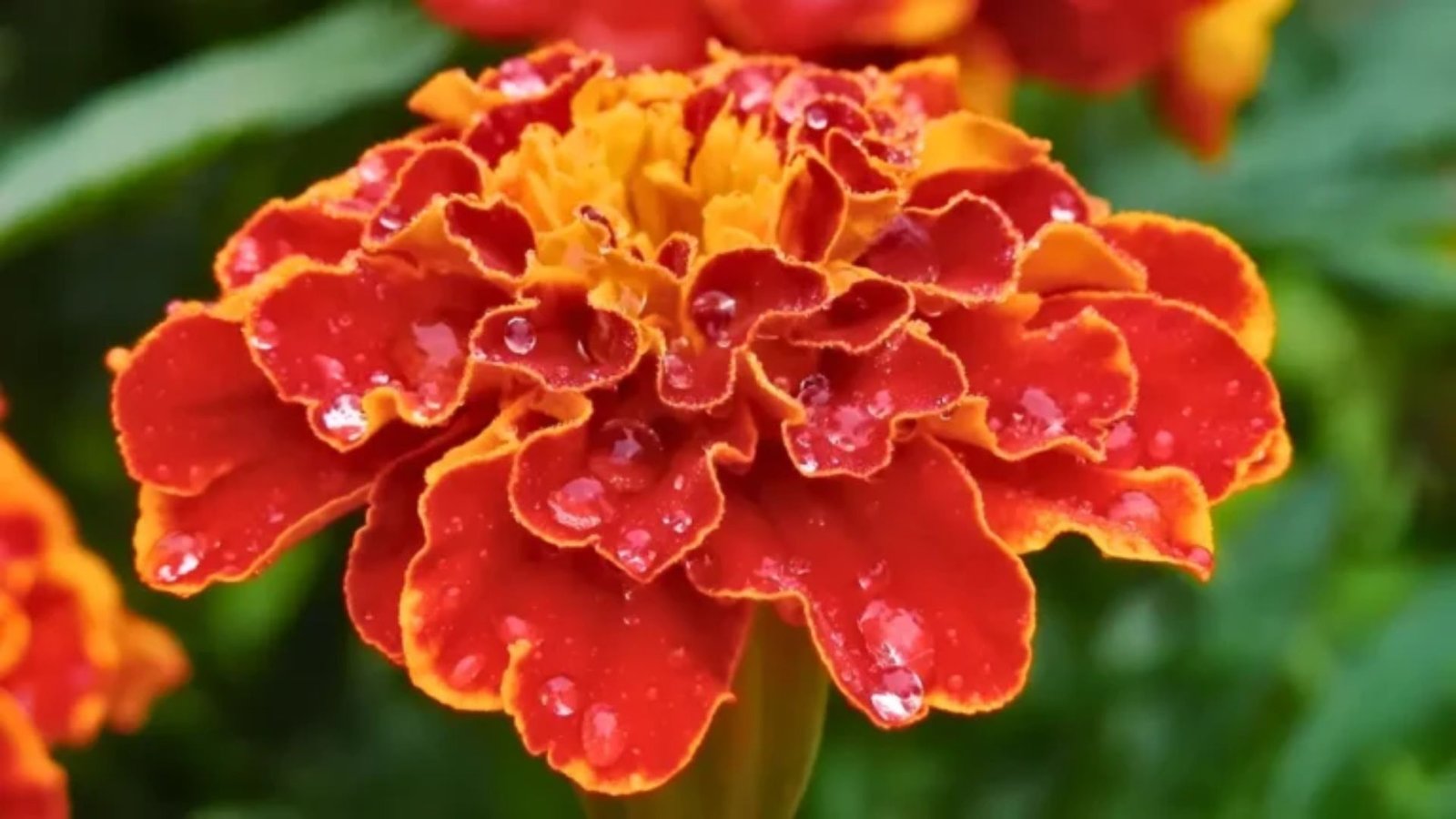
Imagine a garden bursting with fiery orange and golden petals that chase away pests like magic—all while thriving on sunshine and a bit of TLC. Marigolds aren’t just pretty faces; they’re the ultimate easy-win for busy gardeners dreaming of endless summer color. In this guide, we’ll uncover innovative, natural tricks to keep your marigolds blooming like crazy, from seed to spectacle. Stick around, and you’ll have a foolproof plan to transform your yard into a vibrant paradise.
What Are Marigolds? A Quick Intro
Marigolds (Tagetes species) are those cheerful annuals with pom-pom blooms in sunny hues. They’re tough, low-maintenance stars perfect for borders, pots, or veggie patches. Whether you’re a newbie hobbyist or seasoned green thumb, learning how to grow marigolds naturally unlocks a world of color without the fuss.
The Sunny History of Marigolds
Born in the wilds of Mexico and Central America, marigolds caught Aztec eyes centuries ago for dyes, rituals, and even as “flowers of the dead” in Día de los Muertos. Spanish explorers spread them worldwide in the 1500s, turning them into garden staples. Today, they’re a nod to that vibrant heritage—proving good things bloom from bold beginnings.
Why Marigolds Matter in Today’s Gardens
In our eco-conscious world, marigolds shine as natural pest busters, warding off nematodes and aphids while drawing bees for better pollination. They’re budget-friendly, drought-tolerant, and add instant cheer to urban balconies or rural plots. For hobbyist gardeners, they’re a gateway to sustainable joy—proving you don’t need gadgets for endless blooms.
Step-by-Step: How to Grow Marigolds Naturally
Ready to dive in? Start seeds indoors six weeks before your last frost, or sow directly in full sun. Water deeply but infrequently to build roots. For innovative twists, try companion planting with tomatoes—they’ll thank you with healthier fruits.
Innovative Techniques for Endless Blooms
- Compost Tea Boost: Brew banana peels and eggshells into a nutrient-rich soak for weekly feeds—your marigolds will explode in color.
- Mulch Magic: Layer grass clippings around bases to lock in moisture and smother weeds, extending bloom time naturally.
- Pinch-Back Trick: Snip tips at 6 inches tall to encourage bushy growth and non-stop flowers.
Here’s a quick comparison of popular marigold types to pick your perfect match:
| Variety | Height | Bloom Color | Best For | Pest-Repel Power |
|---|---|---|---|---|
| French | 6-18″ | Yellow/Orange | Borders & Pots | High (Nematodes) |
| African | 3-4′ | Golden | Backdrops | Medium (Aphids) |
| Signet | 8-12″ | Lemon | Edible Garnishes | Low but Pretty |
Fun Facts and Stats on Marigold Magic
Did you know? Over 50 marigold species exist, with French varieties outselling others 2:1 in U.S. nurseries. They produce up to 200 blooms per plant in peak season, and their scent repels 80% of common garden bugs naturally. Plus, in India, they’re festival favorites—harvested by the ton!
Compare natural vs. chemical growing for endless blooms:
| Method | Pros | Cons | Bloom Duration |
|---|---|---|---|
| Natural | Eco-friendly, Pest-Resistant | Slower Start | 4-6 Months |
| Chemical | Quick Results | Soil Damage, Costly | 2-3 Months |
Pro Tips from Seasoned Gardeners
Chat with old-timers, and they’ll swear by deadheading faded blooms daily—it’s like giving your plants a pep talk. For mega yields, rotate spots yearly to dodge soil fatigue. And hey, mix in calendula for a hybrid glow-up; it’s marigold’s cooler cousin.
FAQs: Your Marigold Questions Answered
How often should I water marigolds?
Once a week, letting soil dry between—overwatering kills the vibe.
Can marigolds survive winter?
As annuals, no, but save seeds for next spring’s show.
What’s the best soil for growing marigolds naturally?
Well-draining, loamy stuff with a pH of 6.0-7.0—add compost for that golden touch.
Do marigolds attract butterflies?
Absolutely! Their nectar is a pollinator party.
Wrapping Up: Bloom Boldly with Marigolds
Marigolds remind us that beauty thrives simply—naturally, vibrantly, endlessly. From Aztec roots to your backyard, these gems offer color, pest control, and pure delight. Grab some seeds today, try those compost hacks, and watch your garden glow. Share your blooms in the comments or tag a friend who’s garden-curious. What’s your next planting adventure?